If your electric water heater is not heating, the problem is usually a tripped breaker, a faulty thermostat, a failed heating element, or an activated high-limit reset switch. Start with the power supply, then check the reset switch and other possible causes. The first checks are quick and may cost nothing.
Electric Water Heater Not Heating: Quick Answer
- No hot water at all: a tripped breaker, a tripped reset button, a failed upper element or a failed upper thermostat.
- Lukewarm water, or hot water that runs out fast: a failed lower element, sediment in the tank or a broken dip tube.
- Water too hot, or the reset button keeps tripping: stop and call a pro. A shorted element or a stuck thermostat is the likely cause.
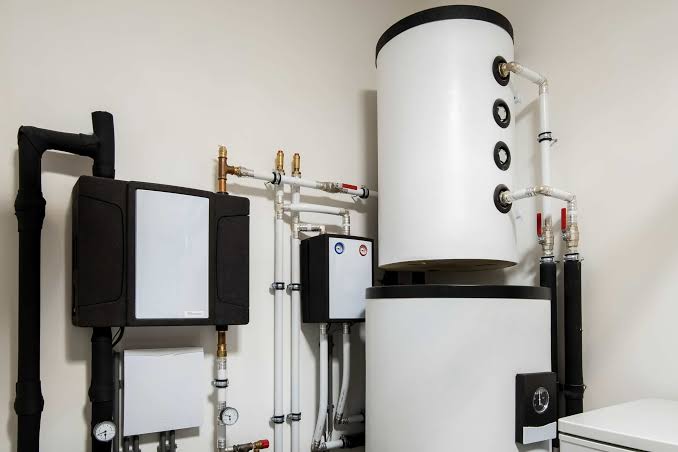
Safety first
- An electric water heater runs on 240 volts, which can kill. Turn off its breaker before you open any access panel, then confirm the power is off with a non-contact voltage tester.
- Never turn the power on when the tank is empty or not full. A dry element burns out in seconds.
- Let the tank cool before you drain any water. Hot water scalds.
- If you are not comfortable working near electrical wiring, do only the steps that don’t need a panel opened and call a licensed plumber or electrician.
For additional home electrical safety advice, consult the U.S. Consumer Product Safety Commission’s electrical safety checklist. Always disconnect power before inspecting your water heater, and contact a qualified professional if you are unsure how to proceed.
How your heater works
Most tank heaters have two heating elements, one near the top and one near the bottom, and a thermostat for each. The upper thermostat gets power first and sends it to the upper element. When the top of the tank is hot, it passes power to the lower element. The upper thermostat also holds the red high-limit reset button, which cuts power to both elements if the water gets too hot. That layout explains most symptoms below.
1. The breaker is tripped or the power is off
Signs: No hot water at all and no hum or click from the heater.
Check: Find the heater’s double-pole breaker in your panel, usually 30 amps. A tripped breaker sits in the middle or OFF position. Also check any switch or disconnect box near the heater.
Fix: Push the breaker fully to OFF, then back to ON, one time. Wait one to two hours for the water to heat. If the breaker trips again, stop resetting it. A shorted element, a bad thermostat or damaged wiring is causing it, and it needs a pro.
2. The high-limit (reset) switch tripped
Signs: No hot water at all, with the breaker on.
Check: Turn off the breaker and confirm the power is off. Remove the upper access panel, fold back the insulation and open the plastic cover. The red reset button is on the upper thermostat.
Fix: Press the button firmly until it clicks. Put the cover, insulation and panel back, turn the breaker on and wait one to two hours. If the button trips again, don’t keep pressing it. It tripped because water overheated, which points to a shorted element or a thermostat stuck on. Test both (causes 3 and 4).
3. The thermostat is set wrong or has failed
Signs: Water that never gets hot enough, no heat with power present, or water that gets too hot.
Check: Both thermostats should be set to the same temperature. 120°F is the usual setting. If the setting is right and both elements test good (causes 4 and 5), the thermostat is the likely fault. Testing a thermostat means measuring live voltage, so leave it to a licensed plumber or electrician unless you have experience.
Fix: Replace the failed thermostat with the same model. The high-limit reset switch is part of the upper thermostat, so a failed switch means replacing the whole upper unit.
4. The upper heating element failed
Signs: Cold water, or almost no hot water, with the breaker on and the reset button pressed.
Check: Turn off the breaker and confirm the power is off. Open the upper panel and disconnect the two wires from the element. Set a multimeter to ohms and touch one probe to each screw terminal.
- A reading of about 10 to 16 ohms means the element is good. A 4,500-watt element reads about 13 ohms.
- No reading, or «OL», means the element is burned out.
- Now touch one probe to a terminal and the other to bare metal on the tank. Any reading means the element is shorted and must be replaced.
Fix: Replace the element with the same voltage and wattage printed on the heater’s label.
- Turn off the power and the cold water supply.
- Open a hot faucet and drain the tank below the element’s level.
- Remove the wires and unscrew the old element with an element wrench.
- Fit the new element with its gasket and tighten it.
- Close the drain, open the cold supply and let the tank fill completely. Keep the hot faucet open until water runs steadily.
- Only then turn the breaker on.
5. The lower heating element failed
Signs: A short burst of hot water, then lukewarm or cold. Showers that run out fast.
Check: Test the lower element exactly as in cause 4, with the power off and the wires removed.
Fix: Replace it the same way. Lower elements often fail because sediment buries them, so flush the tank at the same time (cause 6).
6. Sediment has built up in the tank
Signs: Rumbling or popping noises, slow heating, less hot water than before, and elements that fail repeatedly.
Check: Sediment is likely if the heater is more than a few years old and you have never flushed it.
Fix: Flush the tank.
- Turn off the power and the cold water supply, and let the water cool.
- Connect a garden hose to the drain valve and run it outside or to a floor drain.
- Open a hot faucet, then open the drain valve and drain until the water runs clear.
- Close the drain valve and refill the tank with the hot faucet open.
- Turn the power on only after water runs steadily from the faucet.
If the drain valve clogs or the water never runs clear, call a plumber. Hard water calls for a flush once a year.
7. The dip tube is broken
Signs: Lukewarm water even though both elements and thermostats test good. Small pieces of white or yellow plastic in faucet aerators or filters.
Check: The dip tube sends incoming cold water to the bottom of the tank. When it cracks, cold water mixes with hot water at the top. Check several faucets: if the lukewarm water shows up at only one fixture, the fault is in that faucet or its mixing valve, not the heater.
Fix: A plumber can replace the dip tube, usually together with the tank’s inlet fitting. On an older heater, compare the repair cost with a new unit before you commit.
Electric Water Heater Not Heating: Quick Diagnosis
- No hot water, no hum from the heater: tripped breaker (cause 1).
- No hot water, breaker is on: tripped reset button, failed upper element or failed upper thermostat (causes 2, 4 and 3).
- Cold water only: failed upper element (cause 4).
- A short burst of hot water, then cold: failed lower element (cause 5).
- Lukewarm water: failed lower element, sediment or broken dip tube (causes 5, 6 and 7).
- Rumbling noise and less hot water: sediment (cause 6).
- Reset button or breaker keeps tripping: shorted element, stuck thermostat or wiring fault. Call a pro.
When to call a pro
- The breaker or the reset button trips again after one reset.
- You smell burning, or see scorched wires or melted insulation.
- Water leaks from the tank itself.
- You don’t have a multimeter, or you are not comfortable testing wiring.
- The tank makes loud banging noises, or the pressure relief valve discharges water.
What it costs to fix
Typical US prices in 2026. Labor runs about $75 to $150 an hour, and emergency or weekend calls add about $75 to $150.
- Thermostat replacement: $100 to $300
- Heating element replacement: $200 to $400
- Tank flush: $80 to $200
Repair or replace?
- Replace the heater if the repair costs more than about half the price of a new one.
- A standard tank replacement costs about $900 to $2,500 installed. A tank heater lasts about 10 to 15 years.
- A tank that leaks from the shell can’t be repaired. Replace it.
- A heater under five years old with a failed element or thermostat is almost always worth repairing.
FAQ
Why is my electric water heater not heating when the breaker is on? The reset button may have tripped, or an element or thermostat may have failed. Press the reset button first, then test the elements.
Can one bad element leave me with no hot water? Yes. The upper thermostat sends power to the upper element first, so a failed upper element usually means cold water. A failed lower element gives a short burst of hot water, then lukewarm.
How long does an electric water heater take to heat after a reset? A 40 to 50 gallon tank usually needs one to two hours.
How do I know if a heating element is bad? With the power off, test across the two terminals with a multimeter. About 10 to 16 ohms is good. «OL» means burned out. Any reading between a terminal and the tank means a short.
Is it safe to press the red reset button? Yes, once, with the power off at the breaker. If it trips again, stop and call a pro.
Related guides
- How to reset a water heater
- Water heater keeps tripping the breaker
- How to test a water heater heating element with a multimeter
- How to replace a water heater thermostat
- Lukewarm water from the water heater: why it happens
- How to flush a water heater
- How long does a water heater last?
- Water heater repair cost
- Cost to replace a water heater
This guide is general information. Wiring and plumbing codes vary by location, so follow your heater’s manual and local rules.