If your gas water heater pilot light won’t stay lit, a worn-out thermocouple is often the cause. However, a dirty pilot opening, a draft, a gas supply problem, or a faulty gas control valve can also cause this issue. This guide explains how to check the most common causes, starting with the quickest and least expensive steps.
If your gas water heater pilot light won’t stay lit, the troubleshooting steps below can help you identify the cause and decide what to do next.
Gas Water Heater Pilot Light won’t Stay Lit: Quick Answer
- The pilot lights but goes out when you release the knob: You may need to hold the knob longer. Otherwise, the thermocouple may be dirty or worn out.
- The pilot burns for a while, then goes out: A dirty pilot opening, a draft, or a weak thermocouple may be to blame.
- The pilot won’t light at all: Gas may not be reaching the pilot. First, check the gas supply. If that is not the problem, the gas control valve may have failed.
- You smell gas: Leave the house immediately. Then call your gas company from outside. Do not try to relight the pilot.
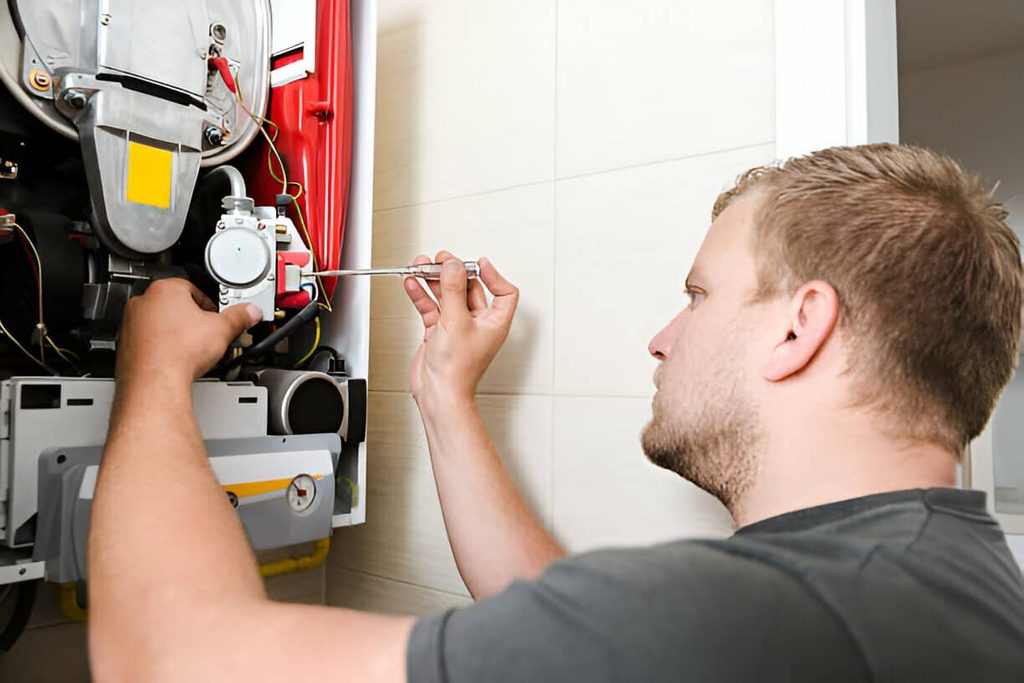
Safety first
- If you smell gas, stop. Do not light anything, flip switches, or use a phone inside the house. Instead, leave immediately and call your gas utility or 911 from outside.
- Before trying to relight the pilot, turn the gas control knob to OFF and wait at least five minutes. This gives any built-up gas time to clear.
- Also, keep gasoline, paint thinner, and other flammable items away from the heater.
- A yellow, weak, or flickering flame, along with black soot around the heater, may point to poor combustion and carbon monoxide. Therefore, turn the heater off, ventilate the area if it is safe to do so, and call a professional. Every home with a gas appliance should have a carbon monoxide alarm.
- If you are not comfortable working near gas, stop before attempting repairs and call a licensed plumber or gas technician.
For more information about carbon monoxide risks and prevention, visit the CDC guide to carbon monoxide safety. This guide explains the dangers of carbon monoxide and how to protect your household.
How a pilot light works
A standing pilot is a small flame that lights the main burner. Next to it is a thin copper probe called a thermocouple. When the pilot flame heats the probe, it creates a small electric current. As a result, the current helps keep the gas valve open.
If the thermocouple cannot detect enough heat, the valve closes and stops the gas flow. This is an important safety feature. Therefore, if your pilot keeps going out, something may need attention.
How to relight the pilot light
Water heater models can have different lighting instructions. For this reason, always follow the instructions on your heater’s label. In general, the steps are:
- Turn the gas control knob to OFF and wait five minutes.
- Check for the smell of gas. If you smell gas, stop and leave the house.
- Turn the knob to PILOT.
- Press and hold the knob. Then, use the built-in igniter button or a long lighter through the access port, as directed by the manufacturer.
- Keep holding the knob for 30 to 60 seconds. This gives the thermocouple time to heat up.
- Slowly release the knob. If the pilot stays lit, turn the knob to ON.
- If the flame goes out, wait five minutes before trying once more. If it still will not stay lit, check the possible causes below.
The pilot flame should be steady and blue. It should also reach the tip of the thermocouple.
1. You are not holding the knob long enough
Signs: The pilot lights but goes out within seconds of releasing the knob.
Check: First, check how long you hold the knob. Many people release it after just 10 or 15 seconds. However, the thermocouple may need more time to heat up.
Fix: Hold the knob for a full 60 seconds, then release it slowly. If the pilot still goes out, the thermocouple may be the problem.
2. The thermocouple is dirty or out of position
Signs: The pilot lights, but the flame is small or yellow. It also goes out after you release the knob, even when you have held it for a full minute.
Check: Turn the gas control knob to OFF and wait five minutes. If the heater’s manual allows access, remove the burner access door. Next, check that the thermocouple tip sits in the pilot flame. Look for black soot or a bent probe.
Fix: If the manufacturer allows cleaning, gently wipe the tip with a dry cloth. Do not use sandpaper unless the manufacturer recommends it. Also, do not force or adjust gas fittings. If the thermocouple is loose, damaged, or out of position, follow the heater’s service instructions or call a professional. Then, relight the pilot according to the label.
3. The thermocouple has failed
Signs: The flame is strong and blue, and the thermocouple is clean and in the correct position. Even so, the pilot still goes out. Over time, the thermocouple can wear out because it sits in the flame.
Check: If the pilot still will not stay lit after the basic checks, the thermocouple may need to be tested or replaced.
Fix: Buy a replacement that matches your heater’s brand and model. However, check the manufacturer’s instructions before starting the job. Gas water heaters vary, and some require professional service.
If the manufacturer permits homeowner replacement, follow the exact service procedure. In general:
- Turn the gas control knob to OFF and close the gas shutoff valve, following the manufacturer’s instructions.
- Wait at least five minutes and make sure there is no smell of gas.
- Access the burner compartment only if the manual allows it.
- Remove the old thermocouple according to the service instructions.
- Install the correct replacement in the specified position.
- Reassemble the heater as directed.
- Restore the gas supply and relight the pilot only as instructed by the manufacturer.
Some heaters have sealed burner chambers that are difficult to open. In addition, local rules may require a licensed technician for gas appliance repairs. If either applies, call a professional.
4. The pilot opening or flame arrestor is clogged
Signs: The pilot flame is weak, small, or yellow. It may go out after a few minutes or when the main burner shuts off. This problem is more likely in dusty garages, utility rooms, and laundry areas.
Check: Many newer water heaters have a screen near the base that helps stop flammable vapors from reaching the burner. However, lint and dust can block the screen and reduce airflow.
Fix: Turn the heater off and let it cool. If the manual allows it, vacuum the screen and the base with a soft brush attachment. Do not remove sealed parts or take apart the pilot gas line. Because cleaning the pilot opening may involve gas fittings, leave that work to a qualified professional.
5. A draft or venting problem blows the pilot out
Signs: The pilot goes out during windy weather, when a door slams, or when a dryer, range hood, or bathroom fan runs. You may also notice soot near the top of the heater or rust on the vent pipe.
Check: First, note when the pilot goes out. Next, check the vent pipe from a safe position to see whether it looks disconnected or blocked. Also, make sure the heater’s air openings are clear.
Fix: Keep required air openings clear and do not block them to stop drafts. If you suspect a blocked vent or exhaust flowing back into the room, turn the heater off and call a professional. Soot, rust, a burning smell, or a carbon monoxide alarm can signal a serious problem. If a carbon monoxide alarm sounds, leave the building and call emergency services from outside.
6. The gas supply is restricted or turned off
Signs: The pilot will not light, or the flame is weak. Other gas appliances may also stop working properly.
Check: Look at the gas shutoff valve near the heater, but do not force it. On many valves, the handle runs along the pipe when open and across the pipe when closed. If you use propane, check the tank gauge as well.
Fix: If the valve is closed and you can safely operate it, follow the manufacturer’s instructions. If the propane tank is empty, arrange a refill. However, if gas is off throughout the house or you suspect low gas pressure, contact your gas company or a qualified technician.
If you smell gas at any point, leave immediately and call for help from outside.
7. The gas control valve has failed
Signs: The thermocouple is clean or new, and the pilot opening is clear. Even so, the pilot will not stay lit. In some cases, the pilot stays lit but the main burner never turns on.
Check: If the earlier checks do not explain the problem, the gas control valve may be faulty. A qualified technician can test it to confirm the cause.
Fix: A licensed plumber or gas technician should replace a faulty gas control valve. Before approving the repair, compare the cost with the price of a new water heater, especially if your current heater is more than 10 years old.
When your gas water heater pilot light won’t stay lit, the timing and appearance of the flame can help narrow down the possible cause.
Gas Water Heater Pilot Light Won’t Stay Lit: Quick Diagnosis
- The pilot goes out as soon as you release the knob: You may not be holding it long enough, or the thermocouple may be faulty.
- The pilot flame is small, yellow, or weak: The thermocouple may be out of position, or the pilot opening or flame arrestor may be clogged.
- The pilot goes out when a fan runs or the weather is windy: A draft or venting problem may be the cause.
- The pilot goes out when the main burner shuts off: A clogged flame arrestor, a draft, or a weak thermocouple may be responsible.
- The pilot will not light at all: The gas supply may be off, the propane tank may be empty, or the gas control valve may have failed.
- A new thermocouple does not solve the problem: The gas control valve or another component may need professional testing.
When to Call a Pro for a Gas Water Heater Pilot Light Problem
Call a licensed professional if:
- You smell gas. Leave the house first, then call your gas company or 911 from outside.
- You see soot, a yellow flame, or rust on the vent pipe, or a carbon monoxide alarm sounds.
- The pilot keeps going out after the recommended checks.
- Your heater has a sealed burner chamber that you cannot safely access.
- Local rules require a licensed technician for gas appliance repairs.
- The pilot opening needs cleaning or the gas control valve needs replacing.
- You are not comfortable working near gas. Choosing professional help is the safer option.
If you cannot fix the problem, turn the gas control knob to OFF and close the gas shutoff valve only if you can do so safely and there is no gas leak. Otherwise, leave the area and call for help.
What it costs to fix
A thermocouple is usually an inexpensive part. However, the total repair cost depends on the heater model, the fault, and local labor rates.
A professional may charge about $150 to $350 for a pilot light or igniter repair in 2026. Labor may cost around $75 to $150 per hour. In addition, emergency or weekend service may add another $75 to $150.
These figures are estimates, so ask for a quote before approving the work.
Repair or replace?
Consider these points before deciding:
- If the repair costs more than about half the price of a new heater, replacement may make more sense.
- A standard tank water heater replacement may cost around $900 to $2,500, including installation.
- A tank water heater typically lasts about 10 to 15 years, although maintenance and water quality can affect its lifespan.
- If the gas control valve fails on a heater that is more than 10 years old, compare the repair cost with the price of replacement.
- If the heater is less than 10 years old and only the thermocouple has failed, repair may be the more affordable choice.
FAQ
Why does my gas water heater pilot light won’t stay lit?
If your gas water heater pilot light won’t stay lit, start with the basic checks above. If the problem continues, contact a qualified technician.
Why does my pilot light go out when I release the knob?
The thermocouple may not be hot enough, or it may have failed. First, hold the knob for the time listed in the manual, up to 60 seconds if permitted. If the pilot still goes out, the thermocouple may need professional inspection or replacement.
Is it dangerous when the pilot won’t stay lit?
The safety system is designed to shut off the gas when it cannot detect the pilot flame. However, a gas smell, soot, a yellow flame, or signs of poor venting can point to a more serious problem. Never bypass the safety system.
Can I replace a thermocouple myself?
It depends on your heater and local rules. Some models allow access to the thermocouple, while others have sealed burner chambers. Therefore, check the manual first and call a licensed technician if the repair involves sealed parts or gas fittings.
How long should I hold the knob when lighting the pilot?
Many models require you to hold the knob for 30 to 60 seconds. However, always follow the instructions on your heater. If the pilot has been going out, holding it for the full recommended time may help.
Why does the pilot go out when the burner turns off?
A draft, a clogged flame arrestor, or a weak thermocouple may be responsible. Check the heater’s air openings if the manual allows it. If the problem continues, have a professional inspect the heater and venting system.
Related guides
- How to reset a water heater (electric and gas)
- Water heater thermocouple replacement: cost and steps
- Water heater safety checklist: gas smell and carbon monoxide
- Water heater smells like rotten eggs
- Lukewarm water from the water heater
- How to flush a water heater
- How long does a water heater last?
- Water heater repair cost
- Cost to replace a water heater
This guide provides general information only. Gas and plumbing codes vary by location, so always follow your water heater’s manual and local rules.