Choosing the right water heater is an important decision for any homeowner. The best model should provide enough hot water for your household, keep energy costs under control, fit your available space, and offer reliable performance for years. However, with conventional tank systems, tankless units, heat pump models, and solar water heaters available, comparing your options can quickly become confusing.
In this complete 2026 buyer’s guide, we explain how to choose a water heater based on household size, energy efficiency, installation requirements, and budget. You will also learn which features to compare, what mistakes to avoid, and when replacing your existing unit makes more sense than repairing it.
How to Choose a Water Heater: Quick Comparison
Before comparing individual models, understand the main differences between the most common residential water heater types.
| Water Heater Type | Main Advantage | Main Disadvantage | Best For |
|---|---|---|---|
| Conventional tank | Simple operation and stored hot water | Standby heat losses | Households wanting a straightforward replacement |
| Tankless | Heats water on demand and saves space | Limited by flow rate and temperature rise | Homes with suitable gas or electrical capacity |
| Heat pump | High energy efficiency | Requires suitable installation space | Homeowners seeking lower electricity consumption |
| Solar | Uses solar energy to heat water | Depends on sunlight and backup heating | Homes with suitable solar exposure |
| Point-of-use | Provides hot water near a specific fixture | Limited coverage | Remote sinks and small applications |
The right choice depends on your hot water demand, local energy prices, installation conditions, and long-term budget. No single system is ideal for every home.
1. Choose the Right Type of Water Heater
The first step is deciding how your water heater should produce and deliver hot water. Each type has different performance characteristics, operating costs, and installation requirements.
Conventional Tank Water Heaters
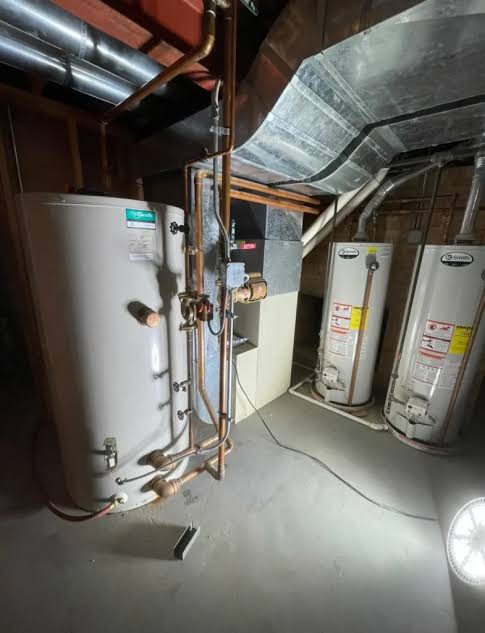
Storage water heaters heat water and keep it inside an insulated tank until it is needed. They are available in gas and electric models and remain a practical choice for many households.
The main advantage is the availability of stored hot water during periods of high demand. However, the supply can run out after several consecutive showers, and the heater needs time to recover. Heat can also escape from the tank between uses.
A conventional tank may be the best option if you want a familiar system and a replacement that fits your existing plumbing and energy connections.
Tankless Water Heaters
Tankless water heaters heat water as it flows through the unit instead of storing it in a large tank. They can reduce standby energy losses and require less physical space.
However, tankless systems do not provide unlimited hot water. Their performance depends on the required flow rate and the temperature increase needed. Running multiple showers or appliances simultaneously can exceed the unit’s capacity.
Before choosing a tankless model, confirm that your gas supply or electrical service can support it. Installation may require upgraded wiring, gas piping, or venting.
Heat Pump Water Heaters
Heat pump water heaters use electricity to transfer heat from the surrounding air into the water. Because they move heat rather than relying exclusively on electric resistance heating, they can be significantly more efficient than conventional electric tanks.
These models can be an excellent option for homeowners who prioritize lower electricity consumption. However, they typically need sufficient air volume, suitable ambient temperatures, and enough installation space.
Some hybrid models combine heat pump operation with conventional electric heating elements to help meet periods of higher demand. Check the manufacturer’s specifications before installing one in a small closet or an unconditioned area.
Solar Water Heaters
Solar water heating systems use collectors to capture energy from the sun and transfer it to domestic hot water. Most residential installations include a backup heating system for cloudy weather or periods of high demand.
Solar systems can reduce conventional water-heating energy consumption, but their performance depends on climate, roof orientation, sunlight exposure, and installation costs. They are worth considering if your property has suitable conditions and you plan to remain in the home long enough to benefit from the investment.
2. Determine the Right Water Heater Size
Choosing the correct size is essential for reliable performance. An undersized unit may run out of hot water, while an unnecessarily large system can increase purchase costs and take up valuable space.
For a storage water heater, consider the number of people in your household, shower habits, appliance use, and peak demand. A family taking several showers in the morning may need a larger supply than a couple who spread their hot water use throughout the day.
Pay attention to the first-hour rating (FHR), which estimates how much hot water a fully heated storage heater can deliver during the first hour of use. This measurement accounts for stored water and the heater’s recovery capability.
For tankless models, compare flow rate at the temperature rise your home requires. Consider how many fixtures may operate simultaneously rather than relying only on the maximum gallons-per-minute figure in an advertisement.
For additional information about common hot water performance problems, see our guide to water heater noises, their causes, and possible fixes.
3. Compare Energy Efficiency and Operating Costs
The purchase price is only one part of the total cost of owning a water heater. Energy consumption over several years can make a significant difference in your household expenses.
When comparing eligible residential models in the United States, look for the Uniform Energy Factor (UEF). A higher UEF generally indicates better efficiency under standardized testing conditions, although real-world performance depends on installation and usage.
You can also consult the official ENERGY STAR website to learn about qualifying energy-efficient products and certification requirements.
Consider these factors before buying:
- Energy prices: Compare electricity, natural gas, and other available energy costs in your area.
- Household demand: Higher hot water consumption can make efficiency improvements more valuable.
- Standby losses: Storage systems consume energy to maintain the temperature of stored water.
- Climate: Heat pump performance depends partly on surrounding air conditions.
- Installation costs: Efficient models may require additional electrical, plumbing, or ventilation work.
For more detailed purchasing guidance, consult the U.S. Department of Energy and its resources on residential water heating. Compare estimated annual energy expenses alongside the initial price rather than choosing a model based on purchase cost alone.
4. Decide Between Gas and Electric Water Heating
Your home’s existing energy connections can strongly influence which water heater is the most practical choice.
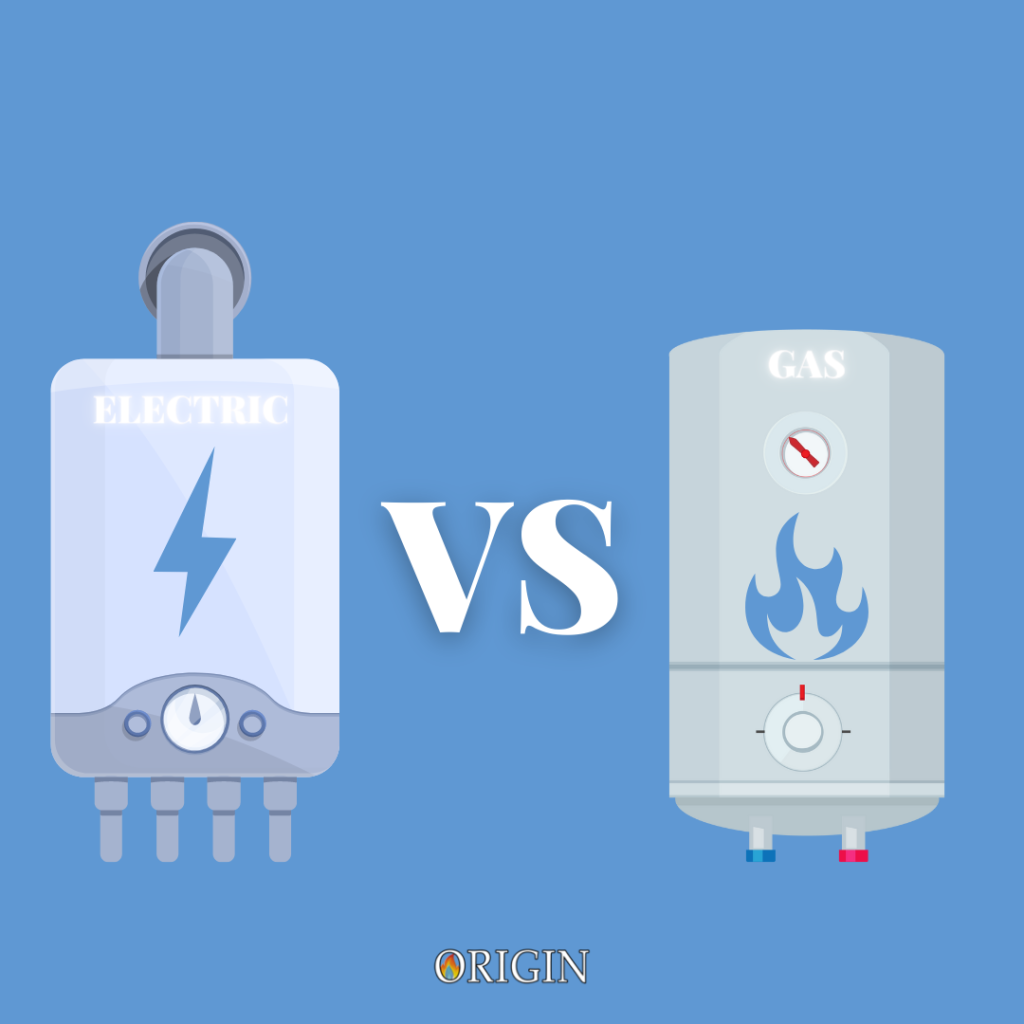
Gas water heaters can provide strong heating performance and may suit households with high hot water demand. However, they require appropriate gas connections, combustion air, and compliant exhaust venting.
Conventional electric water heaters are often straightforward to install when suitable electrical service is already available. Their running costs depend on electricity prices, usage, and efficiency.
Electric heat pump models deserve particular attention if you want to reduce electricity consumption and have a suitable installation area.
Before switching energy sources, ask a qualified installer to assess your electrical capacity, gas supply, ventilation, drainage, and applicable local codes. Conversion costs can change the overall value of an otherwise attractive option.
5. Check Installation Space and Requirements
A water heater must fit the available space while meeting all manufacturer clearance and safety requirements. Measure the installation area before ordering a replacement.
Check the unit’s height, width, depth, connection locations, and the space required for maintenance. Also consider the following:
- Access to water and energy connections.
- Required exhaust venting for combustion appliances.
- Airflow and ambient temperature requirements for heat pump models.
- Drainage provisions where required.
- Structural support for the weight of a filled tank.
- Protection against water damage and compliance with local building codes.
If your heater will be installed in a closet, basement, attic, or utility room, confirm that the selected model is approved for those conditions. A heater with the same capacity as your old unit may have different dimensions or clearance requirements.
6. Evaluate Price, Installation, and Warranty
A realistic budget should include more than the water heater itself. Your total cost may include delivery, removal of the old unit, plumbing modifications, electrical upgrades, gas-line work, venting, permits, and professional labor.
Tankless and heat pump systems can require additional installation work compared with a straightforward replacement. Request an itemized quote so you can compare proposals fairly.
Review the warranty carefully. Check coverage for the tank or heat exchanger, replacement parts, labor, and exclusions related to water quality or maintenance.
A longer warranty does not automatically guarantee better reliability. Consider the manufacturer’s service network, replacement-part availability, and the specific terms of coverage.
If your current heater has developed a leak, identify its source before purchasing a replacement. Our guide to water heaters leaking from the top explains common causes, including leaking connections, valves, and possible tank damage.
7. Look for Important Safety and Maintenance Features
A good water heater should be safe to operate and practical to maintain. Depending on the model, useful features may include temperature controls, diagnostic indicators, leak detection, and automatic safety shutoffs.
Storage water heaters also need appropriate temperature and pressure protection. Never block, cap, or modify a temperature and pressure relief valve’s discharge pipe.
Ask about maintenance requirements before buying. Storage models may need periodic inspection and sediment management, while heat pump units may require filter cleaning and unobstructed airflow. Tankless systems can require descaling where mineral buildup is a concern.
Follow the manufacturer’s maintenance instructions and arrange professional service for gas, electrical, combustion, or internal component work.
8. Common Water Heater Buying Mistakes to Avoid
Even a highly rated water heater can disappoint if it is poorly matched to your home. Avoid these common mistakes:
- Choosing by price alone: Include installation, energy use, maintenance, and warranty coverage in your comparison.
- Buying the wrong size: Match the system to actual household demand and peak usage.
- Ignoring efficiency ratings: Compare models using consistent performance measurements.
- Overlooking installation requirements: Electrical capacity, venting, airflow, and clearances can affect feasibility.
- Assuming tankless means unlimited hot water: Output remains limited by flow rate and temperature rise.
- Skipping professional assessment: Existing leaks, corrosion, and outdated connections should be evaluated before replacement.
A careful assessment before purchasing can help prevent unexpected expenses and performance problems.
How to Choose the Best Water Heater for Your Home
The best water heater depends on your priorities and the conditions in your home. Use the following comparison as a starting point:
| Your Main Priority | Option Worth Considering |
|---|---|
| Simple replacement | A compatible conventional tank |
| Reduced standby energy losses | A properly sized tankless model |
| Lower electricity consumption | A heat pump water heater |
| Solar energy use | A solar thermal system with suitable backup |
| Hot water for one remote fixture | A point-of-use water heater |
These recommendations are not universal. Installation feasibility, local energy prices, household demand, and the total cost of ownership should determine your final choice.
Frequently Asked Questions
What type of water heater is the most energy-efficient?
Heat pump water heaters are generally among the most efficient options for residential electric water heating. Actual savings depend on the model, climate, installation, usage, and local energy prices.
Is a tankless water heater better than a tank model?
Not necessarily. Tankless systems save space and avoid maintaining a large stored volume of hot water, but they have flow-rate limits and may cost more to install. Conventional tanks can be more practical when storage capacity and compatibility with existing connections are priorities.
How do I know what size water heater I need?
Estimate your household’s peak hot water demand. For storage models, compare tank capacity and first-hour rating. For tankless systems, calculate simultaneous flow requirements and the required temperature rise.
Should I replace my water heater before it fails?
Consider replacement if the unit is aging, showing corrosion, leaking from the tank, or requiring repeated costly repairs. A leaking external connector or valve may be repairable, so identify the source before assuming the entire heater needs replacement.
Are heat pump water heaters worth the cost in 2026?
They can be a strong long-term investment for households with suitable installation conditions and substantial hot water consumption. Compare the installed price, estimated energy savings, maintenance requirements, and any locally available incentives before deciding.
Final Thoughts
Choosing a water heater in 2026 means balancing capacity, energy efficiency, installation requirements, purchase price, and long-term reliability. Start by estimating your household’s hot water demand, then compare the systems compatible with your home.
Review efficiency ratings, warranty coverage, and installation costs before making a final decision. When in doubt, ask a qualified professional to assess your plumbing, energy supply, and local code requirements.
A properly sized and installed water heater can provide dependable hot water while helping you manage energy consumption and avoid unnecessary replacement costs.
This article provides general educational information. Follow the manufacturer’s instructions and applicable local plumbing, electrical, gas, and building requirements.