A water heater anode rod is one of the most important parts of a storage water heater, yet many homeowners never inspect it. This metal rod gradually corrodes so the inside of the tank is less likely to rust. When the rod is depleted, the tank can become more vulnerable to corrosion and premature failure.
In this guide, you’ll learn what a water heater anode rod does, how to recognize signs of wear, when to replace it, which replacement type to choose, and what to know before attempting the job yourself.
Important: This guide covers sacrificial anode rods in many conventional tank-style water heaters. Some models use powered anodes, built-in anode designs, or other configurations. Always check your exact model’s manual before removing or replacing any component.
Quick Answer: When Should You Replace a Water Heater Anode Rod?
Inspect the anode rod according to the water heater manufacturer’s schedule and replace it when it is significantly consumed, heavily pitted, or otherwise no longer provides adequate protection. Some manufacturers recommend an early inspection within the first year, followed by periodic or annual checks. Others specify different intervals.
Common warning signs include:
- The rod has become substantially thinner than when new.
- Large sections of its metal surface have corroded or disappeared.
- Significant lengths of the inner support wire are exposed.
- The rod is heavily pitted or damaged.
- The manufacturer’s inspection criteria indicate that replacement is due.
Do not rely on age alone. Water chemistry, water-softener use, household demand, and the rod’s material can all affect how quickly it wears. A plumber can inspect the rod if access is difficult or the correct replacement is uncertain.
What Is a Water Heater Anode Rod?
A sacrificial anode rod is a metal component installed inside many glass-lined storage water heaters. It is designed to corrode preferentially, helping protect the tank’s steel shell from corrosion. In simple terms, the rod is intended to wear out before the tank does.
Depending on the model, the rod may be made from magnesium, aluminum, or an aluminum-zinc alloy. The rod is usually installed through a threaded opening at the top of the tank, although some models use a different arrangement or combine the anode with another fitting.
As the anode material is consumed, its protective ability decreases. Replacing a depleted rod can help preserve the tank, but it cannot reverse corrosion that has already damaged the tank itself.
Why Is the Anode Rod Important?
The interior of a storage water heater is exposed to water and minerals every day. Even a glass-lined steel tank can have small imperfections in its protective lining. The anode rod helps protect vulnerable areas by corroding in preference to the tank.
Keeping the rod in serviceable condition can help:
- Reduce the risk of internal tank corrosion.
- Support the water heater’s expected service life.
- Reduce the chance of premature tank failure caused by corrosion.
- Maintain compliance with maintenance requirements in some product warranties.
The anode rod is not a guarantee against leaks or failure. Tank age, installation quality, water chemistry, pressure, and other maintenance issues also matter. For a broader overview, read our guide to how long water heaters last.
How Long Does a Water Heater Anode Rod Last?
There is no single lifespan that applies to every anode rod. Some may need replacement after only a few years, while others last longer. The correct inspection schedule is the one specified by the water heater manufacturer.
| Factor | How it can affect the rod |
|---|---|
| Water chemistry | Mineral content and other chemical properties can change the rate of anode consumption. |
| Water softener | Artificially softened water can increase anode consumption in some systems, so more frequent inspection may be necessary. |
| Household hot-water use | Higher water turnover can affect how quickly the anode is consumed, depending on water conditions. |
| Anode material and size | Different materials and rod designs have different service characteristics. |
| Water heater design | Some tanks have more than one anode, a built-in anode, or a powered anode that follows a different maintenance procedure. |
As a general maintenance approach, check the manual for the first inspection date and the recommended follow-up interval. If you do not have the manual, look up the model number on the manufacturer’s support website before scheduling service.
Signs Your Water Heater Anode Rod May Need Replacing
1. The Rod Has Become Much Thinner
A sacrificial anode gradually loses material. If inspection shows that the rod is significantly thinner than its original diameter, it may be close to the manufacturer’s replacement threshold. There is no single diameter rule for all brands, so use the criteria in your model’s documentation.
2. The Core Wire Is Exposed
Many sacrificial rods have a metal core wire running through the anode material. If substantial sections of this core are visible, the rod may be depleted. Some manufacturers specify a maximum exposed-wire length as a replacement criterion.
3. The Rod Is Heavily Pitted or Damaged
Surface changes are expected as an anode works. However, deep pitting, extensive loss of material, or a severely deteriorated rod can indicate that replacement is needed. Compare the rod with the manufacturer’s inspection guidance rather than judging it by appearance alone.
4. The Manufacturer’s Inspection Schedule Says It Is Due
Some manufacturers call for inspection annually; others recommend a different interval based on the product. If the manual says the rod should be inspected or replaced, do not ignore the requirement just because the water heater is still producing hot water normally.
5. Hot Water Has a Rotten-Egg Smell
An unpleasant sulfur-like odor can sometimes result from a reaction between water chemistry and the anode rod. However, the smell does not automatically mean the rod is depleted or that replacing it will solve the problem.
If only hot water smells, have the water chemistry and heater checked. If the odor is present in cold water too, the cause may be elsewhere in the water supply. Do not remove the anode or replace it with a different material without confirming that the replacement is suitable for the heater and the water conditions.
6. Hot Water Looks Brown or Orange
Rust-colored water can be associated with corrosion, but it is not a definitive anode-rod test. Corroded plumbing, tank deterioration, and other water-quality issues can produce similar symptoms. If discoloration persists, arrange an inspection rather than assuming a new rod will fix it.
How to Check a Water Heater Anode Rod
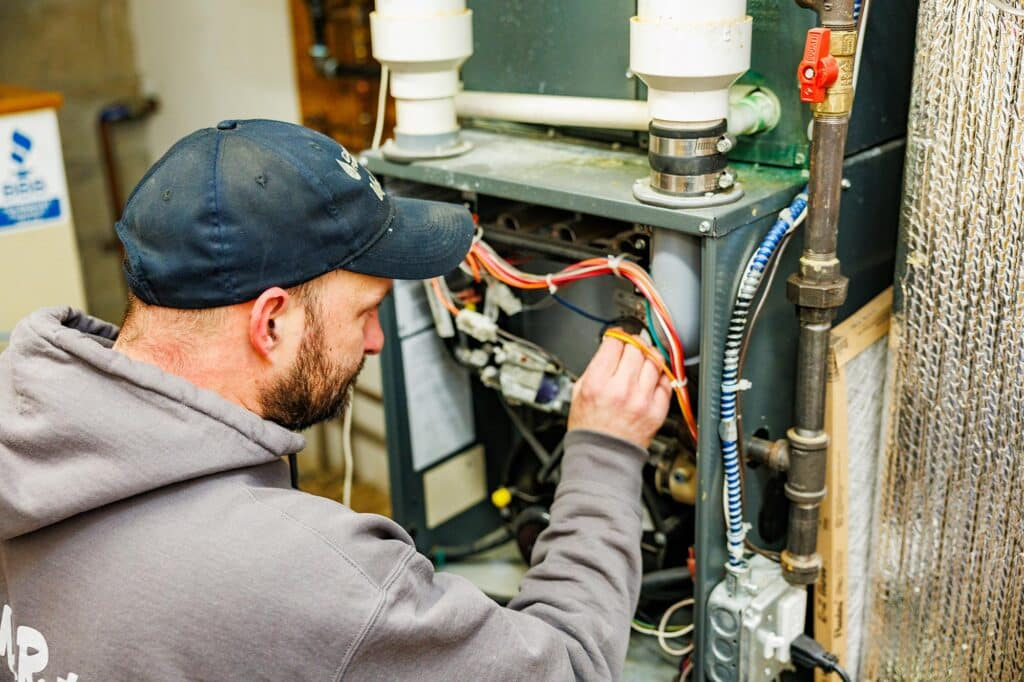
Inspecting an anode rod can require removing a tightly installed fitting from a pressurized hot-water tank. Depending on the model, the rod may be difficult to access, particularly when there is limited overhead clearance. If you are unfamiliar with plumbing work, a qualified plumber or service technician is the safer choice.
Before You Start
- Locate the exact model number and read the manufacturer’s service instructions.
- Confirm whether the unit has a sacrificial anode, a powered anode, or a special built-in design.
- Check whether the warranty requires service by a qualified professional.
- Make sure there is sufficient clearance to remove the rod without damaging nearby pipes or the ceiling.
- Do not remove covers, access electrical compartments, or disconnect wiring unless the manufacturer’s procedure specifically permits it and you are qualified to do so.
Basic Inspection Overview
- Shut down the heater: Follow the manufacturer’s procedure for the fuel type. Electric models must be safely isolated from power before service; gas models must be placed in the specified shutdown state.
- Let the water cool: Hot water can cause severe burns. Allow the system to cool as directed by the manual.
- Close the cold-water supply: Follow the service instructions for isolating the tank.
- Relieve pressure and lower the water level if required: The manufacturer may require draining some water below the anode opening. Use the specified method and a safe discharge location.
- Locate the anode: Find the designated anode access point. Do not mistake another threaded fitting for the anode.
- Remove and inspect only as instructed: Use the correct tools and inspect the rod for thinning, pitting, and exposed core wire.
- Compare the condition with the manual: Replace the rod if it meets the model’s replacement criteria.
- Reinstall or replace the rod correctly: Use the specified sealing method and tightening instructions. Do not leave the tank operating without its required anode.
- Refill and check for leaks: Restore the water supply, purge air as directed, and inspect the serviced fitting carefully.
- Restart the heater only when safe: For electric models, confirm the tank is completely full and air has been purged before restoring power. Follow the exact restart procedure for gas and hybrid models.
Safety warning: Do not attempt to loosen an anode while the tank is hot or pressurized. A stuck fitting can require substantial force, and improper tool use can damage the tank connection or cause injury. Stop if the fitting will not loosen normally, the tank connection begins to move, or you cannot confidently control the water and energy sources.
How to Replace a Water Heater Anode Rod
The steps below provide a general overview, not a substitute for the manufacturer’s instructions. Exact procedures, access points, sealing requirements, and torque specifications vary by model.
Tools and Materials
- The correct replacement anode rod for your model.
- The socket or wrench specified by the manufacturer, with sufficient clearance for the fitting.
- A suitable ratchet or breaker bar, if permitted by the service instructions.
- A hose and container for controlled draining, if required.
- Any approved thread sealant or sealing material specified for the fitting.
- Gloves, eye protection, and towels for incidental drips.
Do not buy a replacement based only on tank capacity or appearance. Check the model number, rod length, diameter, thread type, material, and whether the design is straight, flexible, segmented, or integrated with another fitting.
Step 1: Shut Down the Water Heater
Follow the model’s shutdown instructions. Isolate electrical power for an electric unit, or use the specified shutdown procedure for gas equipment. Hybrid heat pump models may have additional controls. If you are unsure how to shut the unit down safely, stop and call a qualified technician.
Step 2: Let the Water Cool and Isolate the Tank
Allow the water to cool as required by the manual, then close the cold-water inlet. Follow the manufacturer’s method for safely relieving pressure. Do not loosen the anode while the tank is hot or pressurized.
Step 3: Drain Water Below the Anode Opening if Required
Some models require only a partial drain; others may have a different service procedure. Attach a suitable hose to the designated drain valve and discharge water to a safe location. Never force a corroded or stuck drain valve. If the valve leaks or cannot be operated safely, have a plumber handle the job.
Step 4: Remove the Old Anode Rod
Identify the correct anode fitting from the manual. Use the specified tool and keep it aligned with the fitting. If the rod is too long to clear the ceiling, a manufacturer-approved flexible or segmented replacement may be an option for some models.
Do not use excessive force if the fitting will not move. Damage to the tank’s threaded connection can turn a maintenance task into a major repair.
Step 5: Inspect the Old Rod and Confirm the Replacement
Compare the old rod with the manufacturer’s wear criteria. Before installing the new one, verify that it is approved for the exact heater model. Magnesium and aluminum-based rods are not universally interchangeable, and powered anode systems have different requirements.
Step 6: Install the New Anode Rod
Follow the manufacturer’s instructions for thread preparation, sealing, and tightening. Start the fitting carefully to avoid cross-threading, and use the specified tightening method. Do not guess at a torque value or apply thread tape or sealant unless the manufacturer permits it.
Step 7: Refill the Tank and Check for Leaks
Close the drain valve, reopen the cold-water supply as directed, and refill the tank. Open a hot-water faucet to purge air from the plumbing. Check the anode fitting and nearby connections for leaks before restarting the heater.
Step 8: Restart the Heater Safely
Restore power or return the gas control to its specified operating state only after completing the manufacturer’s restart procedure. For an electric storage water heater, the tank must be completely full and air must be purged before power is restored. Running an electric element without enough water can damage it.
Which Anode Rod Should You Choose?
The best replacement is the one approved for your exact water heater and water conditions. Do not assume a different material will improve performance without checking the manufacturer’s recommendations.
| Anode type | General characteristics | What to consider |
|---|---|---|
| Magnesium | A common sacrificial anode material used in many residential tank heaters. | Confirm compatibility and consider local water chemistry. In some conditions, magnesium can contribute to odor problems. |
| Aluminum or aluminum-zinc alloy | Used in some water heaters as an alternative sacrificial material. | Use only if approved for the model. Do not assume it is suitable for every water supply. |
| Flexible or segmented anode | A design intended to make installation possible where overhead clearance is limited. | Verify the dimensions, thread, material, and manufacturer approval. |
| Powered anode | Uses an electrical system rather than being consumed in the same way as a sacrificial rod. | Requires model-specific compatibility and maintenance. Do not replace it with a standard sacrificial rod unless the manufacturer explicitly approves that change. |
Can You Run a Water Heater Without an Anode Rod?
If the water heater was designed to use a sacrificial anode, it should not be operated with that rod removed. Doing so can shorten the life of a glass-lined tank and may affect warranty coverage. Replace the rod with the correct part or follow the manufacturer’s approved service instructions.
If the unit uses a powered anode or another corrosion-protection design, follow that system’s documentation rather than applying instructions for a conventional sacrificial rod.
Does a Water Softener Affect the Anode Rod?
It can. Some manufacturers warn that artificially softened water can cause sacrificial anodes to be consumed more quickly. The effect depends on the water chemistry, the softener setup, and the heater design.
If your home has a water softener, follow the manufacturer’s recommendation for more frequent inspections where applicable. Do not remove the anode as a workaround. If the rod wears unusually fast or the hot water develops an odor, ask a qualified water-treatment professional or plumber to assess the water chemistry and suitable options.
For more background on sediment and routine service, read our guide to how to flush a water heater.
Will Replacing the Anode Rod Stop a Water Heater Leak?
Not necessarily. The anode rod helps prevent corrosion; it does not repair a leaking tank or failed fitting. If water is coming from the tank body, the tank may have corroded and generally needs replacement. If the leak is around the anode fitting, the connection may need professional inspection and resealing.
If you notice moisture, rust, or water pooling around the unit, identify the source before assuming the anode is responsible. See our guide to water heater leaks from the top.
Water Heater Anode Rod Maintenance Checklist
- Find the water heater model number and owner’s manual.
- Confirm the type of corrosion-protection system installed.
- Check the recommended first inspection and follow-up interval.
- Inspect the rod for thinning, pitting, and exposed core wire when required.
- Use the manufacturer’s replacement criteria rather than a universal age rule.
- Choose a compatible replacement rod for the exact model.
- Check the water-softener setup and water chemistry if the rod wears unusually quickly.
- Refill the tank, purge air, and check for leaks after service.
- Do not restore electric power until the tank is completely full.
- Record the inspection date and replacement details for future maintenance.
Frequently Asked Questions
How often should a water heater anode rod be replaced?
Replace it when inspection shows that it has reached the manufacturer’s wear limit. Inspection schedules vary: some manufacturers recommend annual checks, while others specify a different interval. Water chemistry and softener use can also affect the rate of wear.
Can I replace a water heater anode rod myself?
Some experienced homeowners may be able to do so, but the job involves shutting down the heater, controlling hot water and pressure, removing a tight fitting, and safely restarting the system. If access is limited, the fitting is stuck, or you are unsure about the procedure, use a qualified plumber.
What size socket do I need?
The required tool depends on the water heater model and anode fitting. Check the manual before buying a socket. Do not assume one socket size fits every tank.
Does every water heater have an anode rod?
Many storage water heaters use sacrificial anodes, but designs vary. Some units have built-in or multiple anodes, and others use powered anode systems. Tankless models generally do not have a conventional storage-tank anode rod. Check your model documentation.
Can a bad anode rod cause rotten-egg-smelling water?
Anode material can contribute to an odor in some water conditions, but the smell may have other causes. Have the water chemistry and heater assessed before choosing a replacement material or treatment method.
Does replacing the anode rod extend a water heater’s life?
A serviceable anode helps protect the tank from corrosion and can support a longer service life. It cannot guarantee a particular lifespan or reverse existing tank damage. Regular inspections should be part of a broader maintenance plan.
Should I remove the anode rod if my hot water smells bad?
No. Do not operate a heater designed for a sacrificial anode with the rod removed. Have the water chemistry checked and use a manufacturer-approved solution for the specific model.
Sources and Further Reading
- Whirlpool Water Heaters: Corrosion Protection and Anode Rod Maintenance
- GE Appliances: Water Heater Anode Rod Maintenance and Service
- A. O. Smith: Water Heater Maintenance Guide
- Bosch Home Comfort: Electric Water Heater FAQs and Anode Rod Guidance
Disclaimer: This article is for general educational purposes and is not a substitute for the installation, maintenance, or service manual for your specific water heater. Service procedures vary by model and fuel type. Hot water, pressurized plumbing, gas, and electricity can cause serious injury or property damage. If you are unsure about any step, stop and contact a qualified professional.