Choosing between a gas and an electric water heater can affect your utility bills, installation budget, and everyday access to hot water. Both options can work well, but the better choice depends on your home’s existing connections, local energy prices, hot water demand, and long-term plans.
Gas water heaters are often attractive to households with access to affordable natural gas and high hot water demand. Electric water heaters can be easier to install in homes without gas service and may offer a practical solution where electricity is competitively priced. Electric heat pump water heaters are another option worth considering because they use electricity differently from conventional electric resistance models.
In this guide, we compare gas vs electric water heaters, including purchase price, operating costs, energy efficiency, installation, maintenance, lifespan, and the situations where each type makes the most sense.
Gas vs Electric Water Heater: Quick Comparison
Before choosing a model, review the main differences between gas and conventional electric water heaters.
| Feature | Gas Water Heater | Electric Water Heater |
|---|---|---|
| Energy source | Natural gas or propane, depending on the model | Electricity |
| Purchase cost | Varies by model and capacity | Often competitive for conventional storage models |
| Installation | Requires appropriate gas connections and exhaust venting | Requires a suitable electrical circuit |
| Operating cost | Can be lower where gas is relatively inexpensive | Depends heavily on electricity rates and heater efficiency |
| Energy efficiency | Varies by burner design and model | Resistance models convert electricity to heat; heat pumps can use substantially less electricity |
| Hot water recovery | Many models recover stored hot water relatively quickly | Depends on tank size and heating element capacity |
| Indoor air and exhaust | Combustion products must be safely vented | No on-site combustion in the heater |
| Maintenance | May require burner, vent, and combustion-system inspections | May require sediment management and electrical component checks |
These are general comparisons. Actual performance and costs depend on the exact model, installation, local energy prices, and household usage.
1. How Does a Gas Water Heater Work?
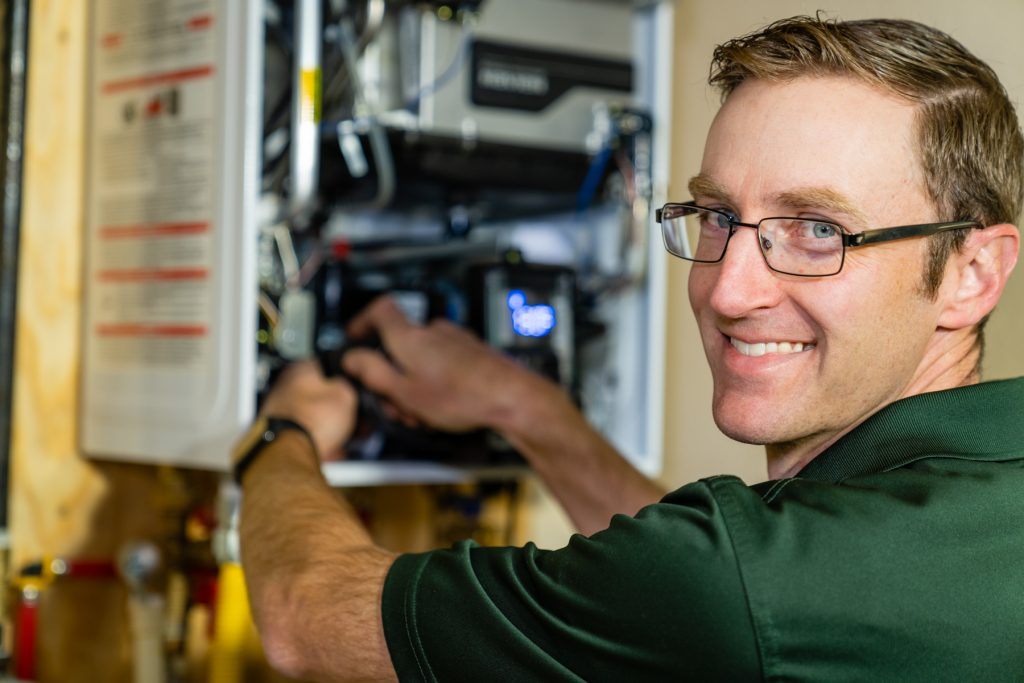
A gas water heater uses a burner to heat water. In a storage model, the heated water remains inside an insulated tank until a faucet or appliance needs it. When the temperature drops, the burner activates to heat the water again.
Gas models may use natural gas supplied through a utility connection or propane stored in a tank. Not every model supports both fuel types, so the appliance must match the available fuel and be installed according to the manufacturer’s requirements.
Advantages of Gas Water Heaters
- Potentially lower running costs: Gas can cost less than electricity per unit of useful heat in some locations, although local rates determine the actual result.
- Good recovery performance: Many gas storage models can reheat water relatively quickly after heavy use.
- Suitable for high demand: Correctly sized gas storage or tankless systems can serve busy households.
- Options for different homes: Gas water heaters are available in storage and tankless designs.
Disadvantages of Gas Water Heaters
Gas water heaters require a compatible gas supply and a safe way to remove combustion gases. Depending on the appliance and existing setup, installation may require venting work, gas-line upgrades, permits, and additional labor.
Gas models also contain combustion components that need appropriate inspection and maintenance. Incorrect installation, blocked venting, or faulty combustion equipment can create serious safety risks, including carbon monoxide exposure.
If your existing gas heater is showing signs of trouble, our guide to water heater making noise explains common causes of unusual sounds and when to seek professional help.
2. How Does an Electric Water Heater Work?
A conventional electric storage water heater uses electrical resistance heating elements to warm water inside an insulated tank. A thermostat controls the elements to maintain the selected temperature.
Electric water heaters do not burn fuel inside the appliance, so they do not need a combustion exhaust vent. However, they still require correctly sized electrical wiring, circuit protection, plumbing connections, and suitable safety provisions.
There is also an important distinction between conventional electric resistance heaters and electric heat pump water heaters. A resistance model produces heat directly using electricity. A heat pump model transfers heat from the surrounding air to the water, which can significantly reduce electricity consumption under suitable conditions.
Advantages of Electric Water Heaters
- No on-site combustion: Conventional electric models do not burn gas inside the unit.
- Simpler replacement in some homes: Replacing an existing electric heater may be straightforward when the electrical circuit and plumbing are compatible.
- Flexible installation: Many electric storage models do not require combustion exhaust venting.
- Multiple technology choices: Homeowners can compare conventional resistance models with more efficient heat pump options.
Disadvantages of Electric Water Heaters
Conventional electric resistance models may have higher operating costs than gas heaters in areas where electricity is expensive and gas is relatively cheap. Recovery time also depends on the tank capacity and the power of the heating elements.
Some electric models require a dedicated circuit or an electrical service upgrade. A heat pump water heater may need additional space, sufficient air volume, condensate drainage, and suitable surrounding temperatures.
Electricity prices and the home’s wiring capacity should therefore be evaluated before selecting a model.
3. Gas vs Electric Water Heater: Which Is Cheaper to Run?
There is no universal winner when it comes to operating costs. The result depends on the price of each energy source and how efficiently the selected water heater converts that energy into hot water.
Gas can be cheaper to operate where natural gas prices are low relative to electricity. Conventional electric resistance models can cost more to run in those areas, particularly in households that use a large amount of hot water.
However, electricity may be more competitive in other locations. Electric heat pump water heaters can also change the comparison because they transfer heat rather than relying only on resistance elements.
How to Compare Energy Costs
Use the following steps to estimate which option could cost less in your home:
- Check the price you pay per kilowatt-hour of electricity and per therm, cubic meter, or other unit of gas.
- Compare the energy-efficiency ratings of the specific water heater models you are considering.
- Estimate your household’s daily hot water consumption.
- Include standing charges, delivery fees, and any other relevant energy costs.
- Compare estimated annual running costs with purchase price and installation costs.
In the United States, the Uniform Energy Factor (UEF) is a useful measure for comparing eligible water heater models. A higher UEF generally indicates greater efficiency, but compare models within appropriate product categories and consider the energy source’s price as well.
For current criteria and product information, consult ENERGY STAR water heater efficiency criteria and the U.S. Department of Energy’s consumer water heater resources.
Do not assume that the heater with the highest efficiency rating will automatically have the lowest bill. A highly efficient appliance can still be expensive to operate if its energy source costs significantly more.
4. Which Water Heater Has the Lower Upfront Cost?
The initial cost depends on the heater’s capacity, technology, brand, installation conditions, and local labor rates. A conventional electric storage water heater can be an economical option when the home already has a suitable electrical circuit.
A gas model may be competitively priced, but the total installation cost can increase if the property needs a new gas line, exhaust venting, or other modifications. Replacing an existing gas heater with a similar model may be less complicated than converting a home from electric to gas, or vice versa.
Heat pump water heaters often have a higher purchase price than basic electric resistance models, but their lower electricity use may help offset the difference over time. Available rebates or incentives may also affect the calculation.
To compare options fairly, request itemized quotes that include:
- The water heater and required accessories.
- Labor and removal of the existing unit.
- Gas-line, electrical, plumbing, or venting upgrades.
- Permits and inspections where required.
- Expected maintenance and warranty coverage.
Compare the total cost of ownership rather than the equipment price alone. A cheaper heater may cost more over its service life if it consumes more energy or requires expensive upgrades and repairs.
5. Which Type Provides More Hot Water?
Both gas and electric water heaters can provide enough hot water for a household when correctly sized. The key factors are storage capacity, recovery rate, flow rate, and the number of fixtures used at the same time.
Gas storage models often have relatively strong recovery performance, although the result varies by model. Conventional electric storage models may need more time to reheat a depleted tank, depending on their element power and capacity.
Tankless models use a different approach. Gas tankless heaters can deliver a continuous flow while demand remains within their rated output. Electric tankless models can also heat water on demand, but whole-home units may require substantial electrical capacity.
Before buying, estimate your household’s peak hot water demand. Consider showers, dishwashers, washing machines, and other fixtures that might operate simultaneously. For storage heaters, check the tank capacity and first-hour rating. For tankless heaters, check the rated flow rate at the temperature rise your home requires.
If your current heater frequently runs out of hot water, simply switching from gas to electric or electric to gas may not solve the problem. Proper sizing is essential.
6. Installation Requirements: Gas vs Electric
Installing a Gas Water Heater
Gas water heaters need a compatible fuel supply and safe combustion exhaust. Depending on the model, they may use natural draft, power venting, or sealed/direct venting. Gas pressure, pipe sizing, combustion air, clearances, and vent materials must meet the manufacturer’s instructions and local codes.
Installation should be performed by a qualified professional. Never operate a gas water heater with blocked or unsuitable venting, and ensure carbon monoxide alarms are installed where required or recommended.
Installing an Electric Water Heater
Electric water heaters require a circuit that can safely support the unit’s electrical load. The installer should verify voltage, amperage, wiring, circuit protection, grounding, and local code requirements.
Heat pump models may need additional clearance and airflow. Because they extract heat from the surrounding air, they can cool the space in which they operate. Condensate drainage and ambient temperature requirements should also be considered.
Before deciding, ask an installer to evaluate the home’s existing infrastructure. The easiest and most affordable replacement is often the one that works with the connections already available, provided the unit meets the household’s hot water needs.
7. Maintenance and Expected Lifespan
Both gas and electric water heaters need periodic maintenance. Actual lifespan depends on water quality, usage, installation quality, maintenance, and the manufacturer’s design and warranty.
Gas Water Heater Maintenance
Maintenance may include inspecting the burner, checking the venting system, evaluating combustion performance, and managing sediment buildup. Gas connections and safety components should be inspected by a qualified professional when appropriate.
Electric Water Heater Maintenance
Maintenance may include checking for leaks, managing sediment, inspecting the anode rod where fitted, and evaluating electrical components according to the manufacturer’s instructions. Heat pump models may also require filter cleaning and inspection of the air pathway and condensate system.
Regardless of energy source, take leaks seriously. If you notice moisture around the upper connections of your unit, read our guide to water heater leaking from the top to understand possible causes and when professional inspection is necessary.
Do not open gas components or perform electrical work unless you are qualified to do so. Follow the manufacturer’s maintenance schedule and local safety requirements.
8. Environmental Considerations
The environmental impact of a water heater depends on its efficiency, the energy source, and how that energy is produced or delivered.
Gas water heaters burn fuel on-site and produce combustion emissions. Electric water heaters do not burn fuel at the appliance, but their overall emissions depend partly on how the electricity is generated.
Heat pump water heaters can use substantially less electricity than conventional electric resistance models because they move heat instead of generating all of it directly. Their real-world performance depends on the unit, surrounding temperature, installation, and usage.
If reducing energy consumption is a priority, compare the efficiency of individual models rather than choosing based on fuel type alone. Also consider whether your home has access to renewable electricity or local energy-efficiency incentives.

9. Gas vs Electric Water Heater: Which Is Best for Your Home?
Choose a Gas Water Heater If:
- Your home already has a suitable gas connection and venting.
- Gas is competitively priced compared with electricity in your area.
- Your household has high hot water demand and the selected model can meet it.
- You want to compare gas storage and gas tankless options.
- A qualified installer confirms that the required connections are suitable.
Choose a Conventional Electric Water Heater If:
- Your home already has a suitable electrical circuit.
- You do not have gas service and do not want to add it.
- You want a storage heater without on-site combustion.
- The purchase and installation cost fits your budget.
- Local electricity prices make the estimated operating cost acceptable.
Consider an Electric Heat Pump Water Heater If:
- Reducing electricity consumption is a priority.
- Your home has a suitable installation location and enough airflow.
- The higher initial price can be offset by energy savings or incentives.
- You want to compare alternatives beyond conventional gas and resistance-electric models.
The best choice is the one that fits your home’s infrastructure, hot water requirements, budget, and local energy prices. If you are replacing an old unit, compare a like-for-like replacement with any alternative that requires major modifications.
Frequently Asked Questions
Is a gas water heater cheaper than an electric water heater?
It can be cheaper to operate where gas is inexpensive relative to electricity. However, the answer depends on local rates, the specific model’s efficiency, and household usage. Compare annual running costs instead of relying on a general rule.
Are electric water heaters more energy-efficient than gas models?
It depends on the technology. Conventional electric resistance heaters convert electricity into heat at the point of use, while gas models lose some energy through combustion and exhaust. Electric heat pump water heaters are different: they transfer heat from the surrounding air and can use substantially less electricity than resistance models. Efficiency ratings and operating costs should be compared separately.
Does a gas water heater heat water faster?
Many gas storage heaters recover hot water relatively quickly, but performance varies by model and capacity. Electric storage heaters may take longer to reheat a depleted tank. Check the manufacturer’s recovery data rather than assuming all gas or electric units perform the same way.
Can I replace a gas water heater with an electric one?
Usually, it is possible, but the home may need electrical upgrades, a suitable circuit, and changes to plumbing or the installation area. A qualified installer should assess the property and provide a complete quote before you choose a replacement.
Do electric water heaters need ventilation?
Conventional electric resistance water heaters do not require combustion exhaust venting because they do not burn fuel. Heat pump models still need adequate airflow and may require condensate drainage. Always follow the manufacturer’s installation requirements.
Which water heater is better for a large family?
Either fuel type can work for a large household if the heater is correctly sized. Compare first-hour ratings for storage models and flow rates for tankless models. Also consider how many showers and appliances are likely to run simultaneously.
Final Verdict: Gas vs Electric Water Heater
A gas water heater may be a strong choice for a home with existing gas infrastructure, competitive gas prices, and substantial hot water demand. A conventional electric model can be practical when the property already has a suitable circuit and gas service is unavailable or unnecessary.
Do not overlook electric heat pump water heaters. Although their upfront cost and installation requirements can be different, they may offer significant energy savings compared with conventional electric resistance models.
Before buying, compare efficiency ratings, local energy prices, installation quotes, hot water capacity, maintenance needs, and warranty coverage. The right water heater is not simply the one with the lowest purchase price; it is the one that provides dependable hot water at a reasonable total cost over time.
This article provides general educational information. Installation and maintenance should follow the manufacturer’s instructions and applicable local plumbing, electrical, gas, and building requirements.