If your hot water runs out fast, the problem may be high demand, insufficient recovery, a failed electric heating element, a damaged dip tube, or cold water mixing into the hot supply. A change in operating mode, mineral buildup, and colder incoming water can also affect how much usable hot water reaches your shower.
Start with the pattern, not a replacement part. A heater that suddenly supplies much less hot water needs a different investigation from one that has never kept up with back-to-back showers. If only one shower turns cold, the heater itself may not be the cause.
This guide explains eight reasons a storage-tank water heater can run short, the observations that help distinguish them, and when to arrange service. Tankless heaters do not normally exhaust a stored tank of water; their output limits and temperature problems require a separate diagnosis.
Why Hot Water Runs Out Fast: Quick Diagnosis
| What changed? | Where to focus first | Useful observation |
|---|---|---|
| Every fixture suddenly gets much less hot water | Heating performance, controls, or dip tube | Did it begin after maintenance, an outage, or an error message? |
| The shortage happens during several consecutive showers | Demand, recovery, and sizing | Which fixtures or appliances are drawing hot water together? |
| Only one shower or faucet is affected | Local cartridge, mixing valve, or plumbing | Is another fixture still delivering normally warm water? |
| The problem is worse in winter | Colder incoming water and increased heating load | Is the same usage pattern satisfactory in warmer months? |
| It began after settings or equipment changed | Operating mode, schedule, connections, or flow rate | Was a new showerhead, appliance, valve, or heater installed? |
These clues help direct an assessment. They do not confirm a failed component or replace the instructions for your model.
Before You Inspect the Heater
Check for visible water, unusual discharge, electrical damage, or other warning signs before approaching the equipment. Do not open electrical covers, touch hot plumbing, or repeatedly reset a tripping breaker or safety limit.
If you smell gas or a carbon monoxide alarm sounds, leave the building and call emergency services or your gas utility from outside. Do not operate switches or use a phone indoors. See PSE&G’s gas-leak safety guidance.
For a heater with an active leak, smoke, burning smell, steam, or concerning electrical symptoms, stop troubleshooting and seek appropriate professional help. Shut down equipment only when it is safe to do so and according to its instructions.
Do not turn up the temperature as a universal solution to a shortage. A higher setting changes scalding risk and may conceal a fault without correcting it.
1. Too Much Hot Water Is Being Used at Once
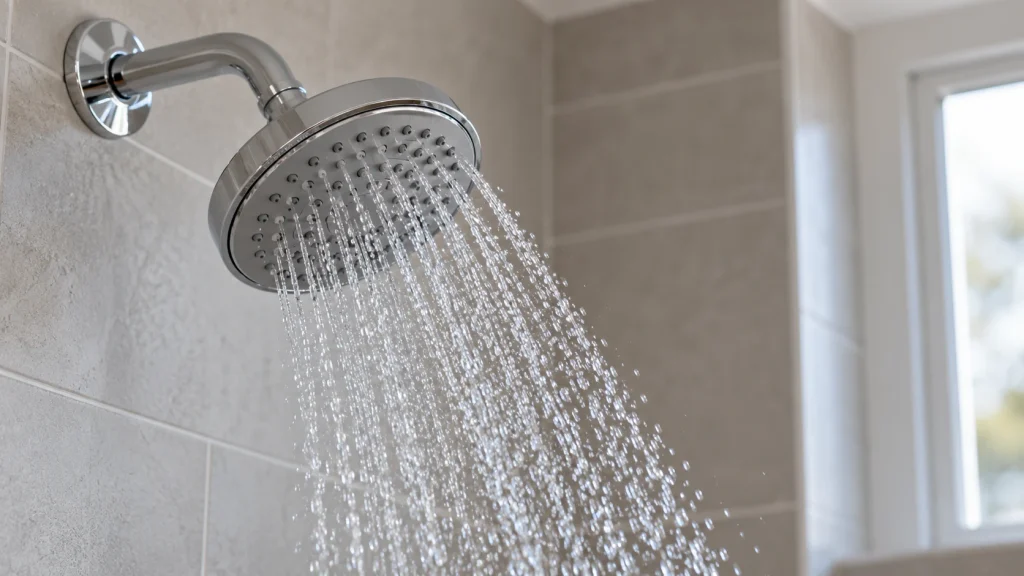
A storage heater can supply only a limited amount of hot water before cooler replacement water and recovery affect delivery. Longer showers, a higher-flow showerhead, or overlapping appliance use can make a previously adequate system seem smaller.
Check the Busiest Period of the Day
List what happens around the shortage: consecutive showers, a bath, laundry, dishwashing, or several fixtures running together. Compare that pattern with a time when the heater has had a normal opportunity to recover.
The following is a simple arithmetic example, not a measurement of a particular shower:
| Illustrative shower flow | Duration | Total mixed water used |
|---|---|---|
| 2.0 gallons per minute | 10 minutes | 20 gallons |
| 2.5 gallons per minute | 10 minutes | 25 gallons |
| 2.0 gallons per minute | 15 minutes | 30 gallons |
Mixed shower water is not the same as water drawn from the hot tank. The hot-water portion depends on the incoming cold water, stored temperature, and chosen shower temperature. Recovery also affects what the system can supply over time.
Staggering high-demand uses and considering a suitable lower-flow showerhead may reduce the shortage. The EPA’s WaterSense showerhead guidance explains how efficient showerheads can reduce water and water-heating demand.
2. The Heater’s Capacity or Recovery Does Not Match the Household
Demand changes are one possibility; an installation that has never met the household’s needs is another. Tank volume alone does not describe hot-water delivery. A heater’s ability to restore heat also matters.
Compare First-Hour Rating With Peak Demand
The first-hour rating, or FHR, describes delivery over a defined first hour beginning with the heater fully heated. ENERGY STAR explains the rating in its water heater product criteria and glossary.
Use it as a sizing reference, not as a promise of that many gallons at every shower temperature or in every installation. A larger nominal tank is not automatically the best answer if the actual issue is a faulty component or plumbing connection.
If hot water runs out fast despite a long-standing shortage and unchanged usage, ask an installer to compare the household’s busiest usage period with the model’s rated delivery and recovery. Bring the model number and a short usage log. A sizing assessment should come before a replacement recommendation based only on the number of occupants.
3. A Lower Heating Element or Related Control Has Failed
On many conventional electric storage heaters, a lower-element problem can leave some hot water available while reducing the usable supply. When hot water runs out fast, a hot start does not prove that the entire heating system is working.
Clues Worth Reporting
- The change was sudden and affects several fixtures.
- The heater used to meet the same demand.
- Recovery seems different from its previous behavior.
- A power interruption, breaker trip, or error message occurred around the same time.
A qualified technician can check the electrical supply, elements, and controls using the correct procedure. The A. O. Smith residential electric use-and-care reference includes reduced hot-water delivery among lower-element troubleshooting symptoms. Consult the manual for your actual model before applying any procedure.
Do not order a lower element from this symptom alone. Similar complaints can have other causes, and testing inside the heater requires electrical isolation and verification.
For related symptoms, see our guide to an electric water heater not heating.
4. The Dip Tube Is Damaged or Displaced
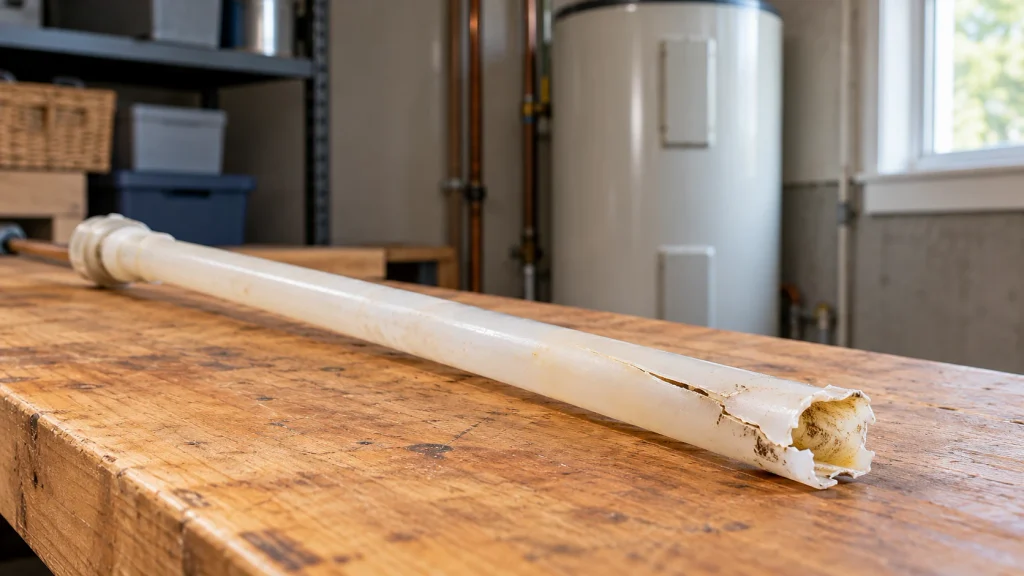
Many storage heaters use a dip tube to direct incoming cold water toward the lower part of the tank. If it is damaged or no longer positioned as designed, cold water can mix in a way that reduces useful hot-water delivery.
This is one reason a tank can feel as though it has lost capacity even though its nominal size has not changed.
How to Confirm the Problem
A plumber should assess the temperature-delivery pattern and rule out other causes before opening a connection. A. O. Smith identifies dip-tube checks in its gas water heater hot-water delivery bulletin.
Tell the plumber if the shortage followed a heater installation or work on the top connections. That history helps direct the inspection, but it does not prove a dip-tube fault.
Do not remove inlet fittings from a hot, pressurized tank to look for the tube. If replacement is justified, the repair needs a compatible part and the proper isolation and restart procedure.
5. A Setting, Schedule, or Operating Mode Changed
Check owner-accessible controls before assuming that a component has failed. A vacation setting, a different schedule, or a mode selected after an outage may change when and how the heater recovers.
A heat-pump model may offer several operating modes with different recovery behavior. Names and behavior vary by product; a mode intended to prioritize efficiency is not a universal promise of maximum recovery under heavy demand. Rheem discusses these differences in its hybrid water heater operating-mode guide.
Compare With the Model’s Instructions
Record the current setting, schedule, and any displayed warning. Check whether the selected mode matches normal household use and whether an intended recovery period has been interrupted.
If the displayed setting appears correct but the heater does not achieve expected delivery, service may still be necessary. A setting and the actual delivered temperature are different things.
On a gas heater, repeated burner or pilot interruptions also need investigation. Our guide to a gas water heater pilot light that will not stay lit covers that separate symptom. Do not keep relighting a heater with a gas smell or an abnormal ignition bang.
6. Mineral Deposits Are Affecting Heating or Maintenance
Scale or sediment may contribute to heating problems, particularly where the water is hard. Popping or rumbling during a heating cycle can be an additional clue that maintenance is needed.
However, a shortage does not prove that the tank is packed with sediment. It is also misleading to assume that every deposit has substantially reduced the tank’s volume. The location and effect of the deposits matter.
Flushing and Descaling Are Not Interchangeable
A service assessment can distinguish loose material that may flush out from attached scale that requires a different approved procedure. A. O. Smith discusses mineral-related symptoms and treatment in its mineral buildup bulletin.
Do not add a household acid or force a blocked drain valve as a generic remedy. The appropriate treatment depends on the model, its condition, and its maintenance history.
If reduced delivery comes with popping or rumbling, our guide to a water heater making noise explains why sediment sounds, pipe banging, and ignition noises require different responses.
7. Incoming Water Is Colder Than Before
Cold-weather complaints can occur without a newly failed component. Colder incoming water takes more energy to heat, and it changes the proportion of hot and cold water needed to produce the same shower temperature.
For example, at the same stored hot-water temperature, a colder cold-water supply means the shower needs a larger hot-water share to reach the same mixed temperature. The heater also has a greater temperature rise to achieve during recovery.
GE includes winter inlet-water temperature among the considerations in its insufficient hot-water troubleshooting guide.
Compare Like-for-Like Usage
Ask whether the shortage happens only in colder months, affects all fixtures, and follows the same usage pattern. A new high-flow showerhead or additional household member can combine with colder inlet water, so several factors may be involved.
Seasonality is a clue, not a reason to dismiss an abrupt or severe loss of hot water. Review demand and the model’s expected delivery before changing settings or replacing equipment.
8. A Mixing Valve, Crossover, or Plumbing Fault Is Changing Delivery
If hot water runs out fast only at one fixture, the tank may still contain hot water while a local plumbing component changes what reaches the shower. A defective shower cartridge or thermostatic mixing valve can make one shower cool down while other fixtures remain satisfactory.
A plumbing crossover can allow cold water into a hot-water line through an unintended path. Recent valve or plumbing work, reversed connections, and recirculation-system issues are also useful details for an installer to investigate.
Start With the One-Fixture Versus Whole-House Distinction
Whirlpool advises comparing fixtures and considering mixing-valve faults in its not-enough-hot-water guidance.
If only one shower is affected, report that before approving heater replacement. If several fixtures are affected, the technician may need to assess both the heater and shared plumbing components.
Look for visible dripping faucets or other signs of unwanted hot-water loss as well. Our guides to a water heater leaking from the top and a water heater leaking from the bottom explain how to distinguish collection points from actual leak sources.
Avoid a generic crossover test involving unfamiliar shutoffs. The correct procedure depends on the installation and should not involve loosening pressurized connections.
What to Check When Hot Water Runs Out Fast
If there are no urgent warning signs, prepare a short record before requesting service:
- Identify the pattern. Did it change suddenly, worsen gradually, or always behave this way?
- Identify the scope. Is one shower affected, or do several fixtures show the same problem? Avoid testing with a full-hot stream that could scald.
- Note the demand. Record shower duration and any overlapping laundry, dishwashing, or bathing.
- Record accessible settings. Note the mode, schedule, model number, and error message without opening service panels.
- Describe recovery. Explain whether the normal supply returns after a period without hot-water use; do not assume every model should recover in the same number of minutes.
- Mention recent changes. Include outages, new fixtures, plumbing work, maintenance, unusual noises, and visible water.
A useful summary might be: “All fixtures used to stay hot, but delivery dropped suddenly last week with the same household demand.” That directs a different assessment from: “The second shower runs cool only when laundry is running.”
Can You Make the Hot Water Last Longer Without Replacing the Heater?
Sometimes. Staggering demand, correcting an unintended setting, repairing a local mixing problem, or replacing a confirmed failed component may restore satisfactory delivery.
Separate a change in convenience from a change in heater performance. A shorter shower can reduce demand, but it does not establish that a sudden loss of heating capacity has been fixed.
Likewise, turning the thermostat higher should not be treated as a free capacity upgrade. Storage and delivery temperatures, mixing valves, and scalding protection need to be considered together. Follow the model’s instructions and obtain professional advice where required.
Do not repeatedly reset a high-limit control or breaker to extend a shower. A recurring trip is a fault symptom that needs its own investigation.
Repair or Replace? Use the Confirmed Cause
| Finding | Decision to discuss |
|---|---|
| A local shower valve is faulty | Repair the fixture rather than replacing the tank automatically |
| A compatible element, control, or dip tube is confirmed faulty | Compare targeted repair with the heater’s overall condition and warranty |
| The heater is sound but cannot meet normal peak demand | Assess sizing, delivery, recovery, and installation options |
| Deposits are contributing to the problem | Assess model-approved maintenance and realistic expected improvement |
| The storage tank is confirmed to be leaking | Arrange a replacement assessment |
Ask for an itemized explanation of the diagnosis and proposed work. Age is one consideration, but neither age nor a cold shower identifies the failed part by itself.
Before buying a larger model, request a demand assessment that accounts for actual fixtures and usage. Replacing a tank without correcting a crossover or local mixing fault could leave the original complaint unresolved.
Frequently Asked Questions
Why does my hot water last only a few minutes now?
An abrupt reduction affecting several fixtures can point toward a heating, control, dip-tube, or shared plumbing problem. A lower-element fault is one possibility on a conventional electric heater. Compare current demand with previous use and have the cause confirmed before ordering parts.
Why does one shower go cold while the kitchen faucet stays warm?
The shower’s cartridge or mixing arrangement may need assessment. This pattern can occur even when hot water remains in the tank. It is a reason to investigate the fixture before assuming that the entire heater is undersized.
Should a 40-gallon heater provide a 40-gallon shower?
Tank volume and mixed shower-water volume are different measurements. Flow rate, the hot-water share, incoming temperature, stored temperature, stratification, and recovery affect delivery. There is no universal shower duration based on the nominal tank size alone.
How long should I wait for the hot water to recover?
Use the performance information for the actual model. Heat source, heating input, mode, incoming temperature, the amount drawn, and any continuing use affect recovery. A generic waiting time cannot establish whether every gas, electric, or hybrid heater is operating correctly.
Will flushing fix a shortage?
Only if the relevant problem is one that appropriate maintenance can address. Flushing will not repair a failed element, damaged dip tube, defective mixing valve, or a demand mismatch. Confirm the cause and the permitted procedure before starting.
Why is the shortage worse in winter?
Colder inlet water increases heating demand and can increase the hot-water share needed at the shower. Compare the same usage pattern across seasons, but have a new or marked deterioration checked rather than assuming weather explains everything.
Should I turn up the heater temperature?
Do not use a higher setting as a substitute for diagnosis. It changes scalding risk and may require appropriate temperature-limiting arrangements. Follow the heater’s instructions and discuss storage and delivery temperatures with a qualified professional.
Final Thoughts
When hot water runs out fast, the most useful first distinction is whether the change is sudden, demand-related, seasonal, or limited to one fixture. That pattern helps separate a heater fault from a capacity or plumbing issue.
Record the symptoms, check only safely accessible controls, and have the actual cause confirmed. A targeted repair or a change in usage may be enough; a replacement should follow a diagnosis and a delivery assessment.
This guide provides general information. Follow the instructions for your model and applicable plumbing, electrical, and gas requirements. The images are AI-generated illustrations, not documentation of a diagnosed installation.