Choosing the right tankless water heater size is essential for getting reliable hot water throughout your home. If the unit is too small, water may turn lukewarm when multiple showers or appliances run at the same time. If it is larger than necessary, you could pay more upfront without gaining much practical benefit.
Unlike traditional tank water heaters, tankless models are sized primarily by gallons per minute (GPM) and temperature rise. You need to know how much hot water your household uses at once and how cold your incoming water gets during the winter.
In this guide, you will learn how to calculate your hot water demand, estimate the temperature rise your home requires, compare gas and electric tankless capacity, and choose a unit that fits your household.
Quick answer: Add the flow rates of the fixtures you expect to use simultaneously, calculate the temperature rise by subtracting the incoming water temperature from your desired hot water temperature, and select a model that can deliver the required GPM at that specific temperature rise.
Table of Contents
- What Does GPM Mean?
- What Is Temperature Rise?
- How to Calculate the Right Tankless Water Heater Size
- Typical Fixture Flow Rates
- Tankless Water Heater Sizing Chart
- Gas vs. Electric Tankless Sizing
- How Climate Affects Tankless Capacity
- Common Sizing Mistakes
- When to Consult a Professional
- Frequently Asked Questions
What Does GPM Mean in a Tankless Water Heater?
GPM stands for gallons per minute. It measures how much water a tankless water heater can heat and deliver over a minute while maintaining the required outlet temperature under specified operating conditions.
For example, a shower flowing at 2.0 GPM uses approximately two gallons of water per minute. If you run two showers at the same time, the combined demand is about 4.0 GPM, assuming both showers use that flow rate.
Tankless water heaters must heat water as it passes through the unit. The more hot water you demand at once, the more heating capacity the appliance needs.
However, the maximum GPM printed on a product listing does not tell the whole story. A unit may deliver a higher flow rate when the incoming water is relatively warm and a lower flow rate when it must raise the water temperature significantly.
ENERGY STAR provides typical fixture flow-rate estimates to help homeowners begin sizing a gas tankless water heater. Actual flow depends on your fixtures, water pressure, and appliance specifications.
What Is Temperature Rise?
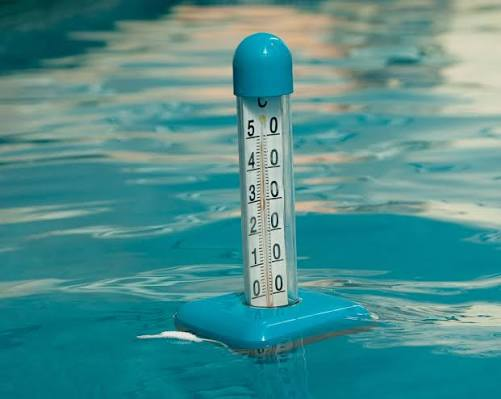
Temperature rise is the number of degrees the water heater must add to the incoming cold water to reach your target temperature.
Temperature rise formula:
Temperature Rise (°F) = Desired Outlet Temperature (°F) − Incoming Water Temperature (°F)
Suppose your incoming water temperature is 50°F and you want the water heater to deliver water at 120°F.
120°F − 50°F = 70°F temperature rise
The same heater may produce more hot water per minute in a warm climate than in a cold climate because it has to add fewer degrees to the incoming water.
Temperature rise examples
| Incoming Water Temperature | Target Outlet Temperature | Required Temperature Rise |
|---|---|---|
| 70°F | 120°F | 50°F |
| 60°F | 120°F | 60°F |
| 50°F | 120°F | 70°F |
| 40°F | 120°F | 80°F |
These are illustrative examples, not a location-specific temperature chart. Use your local utility’s or water provider’s information, or have a qualified installer determine the lowest expected incoming water temperature for your home.
For many residential applications, 120°F is a common water-heater setting, but your appropriate setting depends on your household, equipment instructions, and applicable safety guidance. Hot water can cause scalding, so follow manufacturer recommendations and applicable plumbing requirements.
How to Calculate the Right Tankless Water Heater Size
Use the following steps to estimate the capacity your home needs.
Step 1: Identify the fixtures that may run simultaneously
Do not simply count bathrooms or people. Instead, think about the busiest realistic period in your household.
For example, consider whether someone might shower while another person uses the kitchen sink or runs a dishwasher. If two people regularly shower at the same time, both showers should be included in your peak-demand estimate.
Step 2: Add the flow rates
Estimate the flow rate of each fixture likely to use hot water simultaneously. Add those figures together to calculate your peak hot water demand in GPM.
Example: One shower uses 2.0 GPM, while a kitchen faucet uses 1.5 GPM.
2.0 GPM + 1.5 GPM = 3.5 GPM total demand
Your chosen heater must be able to supply approximately 3.5 GPM at the temperature rise required by your home. The calculation is a starting point; actual hot-water demand depends on fixture settings and how the hot and cold water are mixed at each tap.
Step 3: Calculate your required temperature rise
Determine the lowest expected incoming water temperature and subtract it from your target outlet temperature.
For example, if the incoming water temperature is 45°F and your target is 120°F:
120°F − 45°F = 75°F temperature rise
Step 4: Check the manufacturer’s performance chart
Compare your calculated demand with the model’s published flow-rate chart at the required temperature rise. Do not rely only on the product’s advertised maximum GPM.
If your home needs 3.5 GPM at a 75°F rise, choose a unit that can actually deliver at least that flow rate under those conditions. Allow for any additional design requirements identified by your installer.
Step 5: Confirm the installation can support the unit
Before buying, confirm that the home’s gas supply, electrical service, venting, water connections, and installation location are suitable for the selected model. These requirements can differ substantially between gas and electric tankless water heaters.
Typical Flow Rates for Household Fixtures
The table below provides illustrative planning estimates for common fixtures. Actual flow rates vary by model, pressure, and settings. Whenever possible, check the fixture specifications or measure the actual flow rate.
| Fixture or Appliance | Illustrative Flow Rate |
|---|---|
| Water-efficient shower | 1.5–2.0 GPM |
| Standard showerhead | 2.0–2.5 GPM |
| Kitchen faucet | 1.0–2.2 GPM |
| Bathroom faucet | 0.5–1.5 GPM |
| Bathtub faucet | 2.0–4.0 GPM |
| Dishwasher | Approximately 1.0–1.5 GPM while filling |
| Washing machine | Varies significantly by model and fill cycle |
These values are estimates for initial planning, not guaranteed specifications. ENERGY STAR lists typical demand figures such as 2.5 GPM for a shower or bathtub, 3.3 GPM for a clothes washer, and 2.2 GPM for a kitchen or bathroom sink in its tankless buying guidance. Check the actual equipment data before finalizing your selection.
For additional technical guidance, consult the ENERGY STAR guide to whole-home gas tankless water heaters.
Tankless Water Heater Sizing Chart
The following chart offers a practical starting point for estimating a whole-home unit’s capacity. It is based on simultaneous hot water demand, not the number of bedrooms alone. It does not replace the performance chart for a specific model.
| Typical Household Scenario | Estimated Peak Demand | What to Look For |
|---|---|---|
| One person, one shower at a time | About 1.5–2.5 GPM | A unit that meets the shower demand at your required temperature rise |
| Two people, shower plus occasional faucet use | About 2.5–3.5 GPM | A model with sufficient output for the expected overlap |
| Small family, one shower plus a kitchen faucet | About 3.0–4.5 GPM | A unit whose performance chart covers your combined demand |
| Family with two simultaneous showers | About 3.0–5.0 GPM | A higher-capacity model that maintains the required temperature at peak flow |
| Large household with multiple showers and other hot-water uses | Potentially 5.0 GPM or more | A professionally sized high-output system or an appropriate multi-unit design |
Important: These GPM ranges are broad examples, not recommended product ratings for every household. The required capacity can be considerably lower or higher depending on fixture flow rates, incoming water temperature, and simultaneous use. A unit that meets the GPM target in warm conditions may fall short in winter.
Example: Sizing a tankless water heater for a family of four
Imagine a family of four with the following likely simultaneous uses:
- Shower 1: 2.0 GPM
- Shower 2: 2.0 GPM
- Bathroom faucet: 0.5 GPM
Total estimated peak demand: 2.0 + 2.0 + 0.5 = 4.5 GPM.
If incoming water is 45°F and the target outlet temperature is 120°F, the required temperature rise is 75°F.
The family should look for a unit that can deliver at least 4.5 GPM at a 75°F temperature rise, subject to the installer’s design assessment. A model advertised as delivering 8 GPM under a much smaller temperature rise may not meet this requirement.
Gas vs. Electric Tankless Water Heater Sizing
Gas and electric tankless water heaters use the same basic sizing principles, but their available heating capacity and installation requirements differ.
Gas tankless water heaters
Whole-home gas models can provide substantial hot water output, depending on their burner input, efficiency, and operating conditions. Their capacity is commonly described using GPM at a specified temperature rise and a BTU-per-hour input rating.
Before choosing a gas model, have the installer verify:
- Whether the existing natural gas or propane supply has sufficient capacity.
- Whether gas piping must be upgraded.
- Whether the model requires new or modified venting.
- Whether the installation location meets combustion-air and clearance requirements.
Learn more in our related guide: Gas vs. Electric Water Heater: Costs, Efficiency and Best Use Cases.
Electric tankless water heaters
Electric tankless models heat water using electrical resistance elements. Their output depends on the unit’s kilowatt rating, supply voltage, and available electrical capacity. High-demand whole-home applications can require substantial electrical service and may not be suitable for every existing panel.
For example, heating multiple showers simultaneously in a cold climate can require far more power than serving a single low-flow fixture. Have an electrician or qualified installer confirm the required amperage, breaker configuration, wiring, and available panel capacity before purchasing.
Do not assume an electric model is a straightforward replacement for an existing electric tank water heater. The electrical requirements may be very different.
How Climate Affects Tankless Water Heater Capacity
Your climate affects tankless performance because incoming groundwater temperatures vary by region and season. Colder incoming water means a larger temperature rise is required, which reduces the flow rate the unit can deliver at the desired outlet temperature.
Consider two homes with the same peak demand of 3.5 GPM and a target outlet temperature of 120°F.
| Home | Incoming Water | Required Rise |
|---|---|---|
| Home A | 65°F | 55°F |
| Home B | 45°F | 75°F |
Both homes need the same flow rate, but Home B needs a much greater temperature rise. The selected unit must be checked against Home B’s more demanding operating conditions if it experiences the colder incoming water.
This is why sizing by the product’s headline GPM alone can lead to disappointing results. Always use the model’s performance data at the temperature rise your home actually requires.
Common Tankless Water Heater Sizing Mistakes
1. Choosing a model based only on its advertised GPM
The maximum flow rate may apply only under relatively mild temperature-rise conditions. Find the performance figure that matches your expected incoming water temperature.
2. Counting bathrooms instead of simultaneous demand
Two homes with the same number of bathrooms may have very different hot water needs. Focus on which fixtures run at the same time and how much water they use.
3. Ignoring winter water temperatures
Using an average annual water temperature can underestimate demand during the coldest months. Size for the lowest expected incoming temperature that applies to your installation.
4. Assuming all fixtures use the same amount of water
Low-flow showerheads and faucets may use less water than older fixtures. Check actual flow rates instead of relying on generic assumptions.
5. Overlooking gas or electrical supply requirements
A model may have sufficient heating capacity on paper but require upgrades to the home’s gas piping, electrical panel, wiring, or venting. Include these requirements in the installation assessment.
6. Buying a larger unit without checking the actual specifications
A higher maximum GPM does not automatically mean better performance in every situation. Compare the manufacturer’s capacity charts, minimum activation flow, efficiency, installation requirements, and warranty.
When Should You Consult a Professional?
A qualified plumber or tankless water heater installer can calculate your peak demand, verify the required temperature rise, and confirm that a specific model will perform under your home’s conditions.
Professional sizing is especially important when:
- You want to supply multiple showers at the same time.
- Your incoming water is particularly cold in winter.
- You are switching from a tank to a tankless system.
- You have an older gas line or electrical panel.
- You are considering multiple tankless units or a whole-home system.
Before approving a quote, ask the installer to document the calculated peak GPM, the design incoming water temperature, the target outlet temperature, and the selected model’s output at that temperature rise.
Frequently Asked Questions
What size tankless water heater do I need for a family of four?
Household size alone is not enough to determine the right model. A family of four may need approximately 3–5 GPM or more during peak use, depending on whether showers and other fixtures operate simultaneously. The correct model must meet that demand at the required temperature rise.
Is a 7 GPM tankless water heater enough for a house?
It may be sufficient for some homes, but the advertised 7 GPM rating does not guarantee that flow at your required temperature rise. Check the manufacturer’s performance chart and compare it with your calculated peak demand.
How many GPM does a shower use?
A typical shower may use approximately 1.5–2.5 GPM, depending on the showerhead and its settings. Use the actual fixture rating when calculating your home’s demand.
What temperature rise should I use when sizing a tankless water heater?
Subtract the lowest expected incoming water temperature from your target outlet temperature. For example, incoming water at 45°F and a target of 120°F require a 75°F rise.
Does a higher GPM rating always mean a better tankless water heater?
No. The rating must be considered alongside temperature rise, efficiency, minimum activation flow, installation requirements, and your household’s actual demand. A lower headline GPM unit may meet your needs better if its performance matches your operating conditions.
Can an electric tankless water heater supply two showers?
Some models can, but the answer depends on the required flow rate, incoming water temperature, unit output, and available electrical service. High-flow applications in cold climates can require substantial electrical capacity. Verify the manufacturer’s specifications and have the electrical installation assessed before purchasing.
Should I choose a larger tankless water heater just to be safe?
Not automatically. A larger model can increase purchase and installation costs and may have different minimum-flow or utility requirements. Base the decision on a documented demand calculation and the manufacturer’s performance data rather than household size alone.
Final Verdict: Choose GPM and Temperature Rise Together
The right tankless water heater is not simply the one with the highest advertised GPM. It is the model that can meet your household’s realistic peak hot water demand at the temperature rise required by your local water conditions.
Start by listing the fixtures likely to run at the same time, add their flow rates, and calculate the temperature rise using the coldest expected incoming water. Then compare those figures with the manufacturer’s performance chart and confirm that your home’s gas or electrical supply can support the unit.
For more help comparing water heating options, read our related guides:
- Heat Pump Water Heater vs. Tankless: Which Saves More Money?
- Is a Tankless Water Heater Worth It? Payback Time Explained
- Tank vs. Tankless Water Heater: Which One Should You Buy?
- Best Heat Pump (Hybrid) Water Heaters of 2026
- Gas vs. Electric Water Heater: Costs, Efficiency and Best Use Cases
Sources and Further Reading
- ENERGY STAR: Whole-Home Gas Tankless Water Heaters — consumer guidance on capacity, GPM, and installation planning.
- U.S. Department of Energy: Measure Guideline for Tankless Water Heaters — technical guidance on temperature rise, flow rate, and sizing.
- Building America Solution Center: Domestic Hot Water Instantaneous Sizing Tool — a technical resource for estimating peak flow, temperature rise, and heating input.
Disclaimer: This article is for general educational purposes and does not replace professional plumbing, electrical, or gas-system advice. Fixture flow rates, groundwater temperatures, local codes, and manufacturer performance vary. Confirm sizing and installation requirements with a qualified professional before purchasing or installing a water heater.