A heat pump water heater can be an excellent choice for a garage, basement, or utility room—but what happens when that space gets cold in winter? The answer depends on the unit’s operating temperature range, how well the installation space is ventilated, and whether the system can keep up with your household’s hot water demand without relying heavily on electric resistance heating.
In this guide, you’ll learn when a heat pump water heater works well in a garage, what changes in a cold climate, how to prevent frozen pipes and condensate drains, and when a different type of water heater may make more sense.
Quick answer: Yes, many heat pump water heaters can work in a garage, including in some cold-climate homes, provided the installation location stays within the manufacturer’s permitted temperature range and the unit is protected from freezing. A garage that regularly drops below the model’s operating threshold can reduce efficiency and increase electricity use.
How Cold Can a Heat Pump Water Heater Handle?
A heat pump water heater (HPWH) extracts heat from the surrounding air and transfers it to the water stored in its tank. Because it relies on heat in the air, its performance changes as the air gets colder.
ENERGY STAR guidance describes many integrated heat pump water heaters as suitable for ambient temperatures around 40°F to 120°F, although exact operating limits vary by product. Some newer or specialized systems may be designed for different conditions, so always check the manufacturer’s installation and operating manuals.
When the surrounding air becomes too cold, a conventional integrated unit may run less efficiently or use its backup electric resistance elements to help heat water. The heater may still deliver hot water, but its energy consumption can rise significantly during cold periods.
| Approximate air temperature | What it can mean for a typical integrated HPWH |
|---|---|
| Above 60°F | Generally favorable conditions for efficient heat pump operation, assuming adequate airflow. |
| 40–60°F | Often workable, but performance and recovery time depend on the model and the water-heating load. |
| Below about 40°F | Some models may reduce heat pump performance or use more backup resistance heating. Check the model’s specifications. |
| Near or below freezing | Higher risk of frozen plumbing and condensate lines. The installation may be unsuitable unless specifically designed and protected for these conditions. |
These temperature bands are general planning guidance, not universal operating limits. The manufacturer’s published minimum and maximum temperatures take priority.

Can You Install a Heat Pump Water Heater in a Garage?
Yes. A garage is often a good location for a heat pump water heater because it can provide the air volume the unit needs without making a living room or bedroom cooler or noisier.
However, the important question is not simply whether the unit fits in the garage. You need to know how cold the garage gets during the coldest part of the year, whether the plumbing can freeze, and whether there is enough air circulation around the heater.
When a Garage Is a Good Location
- The temperature stays within the unit’s operating range: A garage that remains moderately warm throughout the year is generally a better choice than one exposed to severe winter temperatures.
- There is enough air volume: Many models require hundreds of cubic feet of surrounding air, often around 450–700 cubic feet or more. Requirements vary, so check the manual.
- The condensate can drain safely: The unit produces water as it removes moisture from the air. The drain must not freeze or overflow.
- The heater is protected from the weather: A standard indoor HPWH should not be placed outdoors or in an exposed location unless the manufacturer explicitly permits it.
- There is room for maintenance: Installers need access to filters, controls, plumbing connections, and the tank.
ENERGY STAR identifies garages, basements, and utility rooms as potential installation locations, but stresses that climate and manufacturer instructions matter. See its heat pump water heater design considerations for further guidance.
When a Garage May Be a Poor Choice
A garage is less suitable if it is uninsulated, regularly falls below the heater’s minimum operating temperature, or exposes water lines and the condensate drain to freezing conditions. A garage door that opens frequently during winter can also cause sharp temperature swings.
In these cases, consider a conditioned utility room, a suitable basement, a purpose-designed split-system heat pump water heater, or another water-heating technology. Improving the garage’s insulation may help, but the final decision should be based on measured winter temperatures and the equipment’s specifications.
Do Heat Pump Water Heaters Work in Cold Climates?
They can, but the answer depends on the type of system and where it is installed. A cold outdoor climate does not automatically rule out a heat pump water heater. A protected indoor location that stays within the unit’s operating range can work well even in a region with freezing winters.
The main challenge is a cold installation space. If a conventional integrated HPWH sits in an unheated garage that becomes very cold, the compressor may deliver less useful heat, recovery may take longer, and the unit may use more electric resistance heating. This can reduce the energy savings that motivated the purchase.
For cold-climate households, evaluate three factors:
- Winter room temperature: Measure the temperature near the proposed installation location during cold weather, rather than relying only on the local outdoor temperature.
- Hot water demand: Make sure the tank’s capacity and first-hour rating can meet peak household needs, especially when the heat pump’s output is reduced.
- Backup heating: Understand when the model switches to resistance elements and whether you can select a heat-pump-only or hybrid operating mode.
For more help choosing a system, read our guides to the best heat pump water heaters of 2026 and heat pump water heater pros and cons.
Integrated vs. Split-System Heat Pump Water Heaters
Not all heat pump water heaters move heat from the room in the same way. Understanding the difference between integrated and split systems can help you choose equipment for a cold climate.
| Feature | Integrated heat pump water heater | Split-system heat pump water heater |
|---|---|---|
| Design | The heat pump components sit on or within the storage tank assembly. | The tank and heat pump components are separate. |
| Installation space | Needs suitable ambient air, clearance, and airflow around the unit. | Can place the tank in a more constrained indoor space, depending on the design. |
| Cold-climate suitability | Depends strongly on room temperature and the model’s operating limits. | Some models are designed to operate in colder outdoor conditions, but specifications vary. |
| Indoor cooling | Releases cooler, drier air into the installation space unless properly ducted. | Can reduce or avoid cooling the room containing the tank. |
| Installation complexity | Often simpler when the site meets the manufacturer’s requirements. | May require additional space, refrigerant connections, or specialist installation. |
Some split systems are specifically designed for cold-weather operation. Do not assume every split system is suitable for freezing temperatures: verify the outdoor unit’s minimum operating temperature, freeze protection, and installation requirements before purchasing.
How to Protect a Heat Pump Water Heater in a Cold Garage
If you plan to install a heat pump water heater in a garage that gets cold in winter, use the following checklist before installation.
1. Measure the Actual Temperature
Use a basic thermometer or temperature logger to track the garage temperature during cold spells. A single reading on a mild day will not tell you whether the space is suitable in January. Compare the coldest readings with the operating limits in the product manual.
2. Protect Water Pipes From Freezing
Insulate exposed hot- and cold-water pipes where appropriate, seal drafts that blow directly onto plumbing, and consider whether the garage needs additional insulation or temperature control. Pipe insulation slows heat loss but does not guarantee freeze protection in prolonged subfreezing conditions.
Keep the water heater and its plumbing protected from freezing according to the manufacturer’s instructions and local code. If the space can freeze for extended periods, ask a qualified plumber to assess whether the location is appropriate.
3. Prevent the Condensate Drain From Freezing
Heat pump water heaters produce condensate that must be directed to an approved drain or suitable condensate pump. In a garage, the drain line can freeze if it runs through an exposed or unheated area.
- Route the condensate line to a suitable drain in accordance with the installation manual and local plumbing code.
- Avoid routing it through areas where water can freeze inside the pipe.
- Use a condensate pump if gravity drainage is impractical and the manufacturer permits it.
- Inspect the drain periodically for blockages, leaks, and standing water.
ENERGY STAR’s installation best practices explain condensate management and other installation details.
4. Provide Enough Airflow
A heat pump water heater needs access to air. A small, sealed closet or crowded garage corner can restrict airflow and reduce performance. Follow the model’s clearance and air-volume requirements, and do not block the air intake or exhaust.
If ducting is permitted, follow the manufacturer’s instructions for the duct configuration, length, and termination. In cold climates, do not duct intake or exhaust air outdoors without confirming that the specific design is approved for those conditions. Poorly planned ducting can reduce efficiency or create pressure and comfort problems.
5. Understand the Operating Modes
Many hybrid models offer different operating modes, such as heat-pump-only, hybrid, and electric resistance. Heat-pump-only mode may maximize efficiency, but recovery can take longer when the surrounding air is cold. Hybrid mode can provide additional heating capacity when demand is high, often at the cost of greater electricity use.
Check the manual to learn how your unit responds to low temperatures and high demand. If it frequently relies on resistance heating during winter, have the installation and system sizing reviewed.
Will a Heat Pump Water Heater Make Your Garage Colder?
Yes. While heating water, an integrated HPWH extracts heat from the surrounding air and releases cooler, drier air back into the room. In a garage, this is often acceptable because the space is not occupied continuously. In a small or poorly insulated garage, however, the cooling effect may lower the local temperature enough to affect performance.
That creates a potential feedback problem: the heater cools the room, and the colder air makes the heater less efficient. The size of this effect depends on the unit’s output, the garage’s air volume, insulation, air leakage, and heat entering from adjacent spaces.
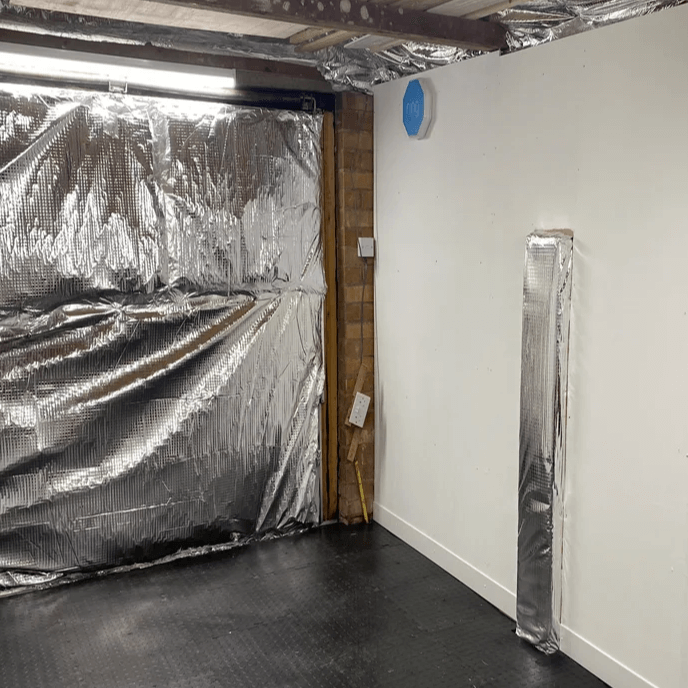
To reduce the impact, select a location with adequate air volume, avoid placing the unit near temperature-sensitive living areas, and consider whether the garage needs insulation or a different installation strategy. ENERGY STAR discusses these issues in its design guidance.
Is a Heat Pump Water Heater Still Worth It in a Cold Climate?
It can be. The key is to assess the system’s likely annual performance rather than assume the same savings in every season. A unit installed in a warm basement may perform very differently from an identical unit installed in a freezing garage.
Before deciding, compare:
- The local electricity rate and the unit’s estimated annual energy use.
- The temperature of the installation space during the coldest months.
- The amount of hot water your household uses and the tank’s first-hour rating.
- Any extra costs for insulation, drainage, ducting, electrical work, or a split-system design.
- Whether a conventional electric, gas, or tankless water heater better suits the home and local energy prices.
ENERGY STAR reports potential savings for heat pump water heaters compared with standard electric resistance models, but those figures should not be treated as a guaranteed saving for a cold garage or as a direct comparison with a gas tankless heater. Actual results depend on climate, usage, utility rates, and equipment.
For a broader comparison, see heat pump water heater vs. tankless, whether a tankless water heater is worth it, and our complete water heater buying guide.
When Should You Choose Another Water Heater?
Consider another system or a different installation location if:
- Your garage frequently falls below the HPWH’s permitted operating temperature.
- You cannot protect water lines and condensate drainage from freezing.
- The unit would have inadequate airflow or insufficient service clearance.
- Your household needs faster recovery than the proposed model can provide in winter.
- The cost of preparing the location makes another water-heating option more practical.
A conventional electric tank may be simpler to install in some cold spaces, although it generally uses more electricity to heat the same amount of water. A gas tankless water heater may be another option where gas service and suitable venting are available. Compare the full installation and operating costs rather than focusing on purchase price alone.
Read our guides to gas vs. electric water heaters and choosing the right water heater size before making a final decision.
Frequently Asked Questions
Can I put a heat pump water heater in an unheated garage?
Possibly. It depends on the minimum temperature the garage reaches and the operating limits of the specific model. If the garage becomes very cold or can freeze, assess the risks to the unit, plumbing, and condensate drain before installing it.
Will a heat pump water heater work when it is 30°F outside?
Outdoor temperature alone does not determine whether an indoor unit will work. If the garage or utility room remains within the model’s operating range, it may operate normally. If the installation space itself falls below the permitted range, efficiency and hot water recovery may suffer, and backup heating may be used.
Does a heat pump water heater need to be indoors?
Most integrated residential models are intended for protected indoor locations, not direct exposure to weather. Some systems have different designs, including split systems, but outdoor installation is appropriate only when the manufacturer explicitly allows it.
How much space does a heat pump water heater need?
Requirements vary. ENERGY STAR guidance commonly references approximately 450–700 cubic feet of surrounding air for many models, while some products specify more. Always follow the unit’s installation manual for air volume, clearances, and any required ventilation or ducting.
Can I duct a heat pump water heater into or out of the garage?
Some models support ducting, but the permitted configurations vary. In cold climates, do not duct intake or exhaust air outdoors unless the manufacturer specifically approves that arrangement. Incorrect ducting can reduce performance or create pressure and comfort issues.
Will a heat pump water heater freeze in winter?
The risk depends on the model, location, and freeze protection. Even if the tank itself is protected, exposed plumbing and condensate lines can freeze. Keep the equipment and connected piping within the manufacturer’s required conditions and consult a qualified installer if the space can drop below freezing.
Are split-system heat pump water heaters better for cold climates?
Some split systems are designed for colder operating conditions and can keep the storage tank separate from the heat pump components. They are not all identical, so compare published low-temperature performance, installation requirements, and total cost before choosing one.
Final Verdict
A heat pump water heater can work very well in a garage, even in a cold-climate home, if the installation space remains within the unit’s operating limits and the system has enough airflow, safe condensate drainage, and freeze protection.
The biggest mistake is assuming that any garage is suitable simply because the water heater is indoors. Measure winter temperatures, check the manufacturer’s specifications, and consider a conditioned location or cold-climate split system if the garage regularly gets too cold. The right installation can preserve energy savings while providing reliable hot water throughout the year.
Sources and Further Reading
- ENERGY STAR — Heat Pump Water Heater Frequently Asked Questions
- ENERGY STAR — Heat Pump Water Heater Design Considerations
- ENERGY STAR — Heat Pump Water Heater Installation Best Practices
- ENERGY STAR — Super-Efficient Water Heater
Disclaimer: This article is for general educational purposes and is not a substitute for professional advice. Operating temperatures, airflow requirements, freeze protection, and installation methods vary by model and local code. Consult the manufacturer’s documentation and a qualified plumbing or HVAC professional before installing or modifying a water heater.