A heat pump water heater can significantly reduce water-heating energy use, but it is not the best choice for every home. These systems cost more upfront than many conventional electric water heaters and need suitable installation space, airflow, and condensate drainage. In return, they can deliver substantial long-term energy savings.
So, are heat pump water heaters worth it in 2026? For many homeowners replacing an aging electric tank, the answer can be yes. However, your savings depend on local electricity and gas prices, household hot water demand, installation costs, available incentives, and where the unit will operate.
This guide covers the main heat pump water heater pros and cons, estimated costs, efficiency, installation requirements, cold-weather performance, maintenance, and how these systems compare with tankless water heaters.
Quick verdict: A heat pump water heater is often worth considering if you want lower energy bills and have a suitable basement, garage, or utility room. It may be less attractive if you have limited installation space, need a very low upfront cost, or cannot provide the airflow and drainage the unit requires.
Table of Contents
- How Does a Heat Pump Water Heater Work?
- Heat Pump Water Heater Pros
- Heat Pump Water Heater Cons
- How Much Does a Heat Pump Water Heater Cost in 2026?
- How Much Money Can You Save?
- Installation Requirements
- Do Heat Pump Water Heaters Work in Cold Climates?
- Heat Pump vs. Tankless Water Heater
- Who Should Buy One?
- Frequently Asked Questions
How Does a Heat Pump Water Heater Work?
A heat pump water heater, also called a hybrid electric water heater, uses electricity to move heat from the surrounding air into a storage tank. Rather than relying exclusively on electric resistance elements to generate heat, it transfers existing heat, allowing it to use much less electricity under suitable operating conditions.
Most integrated residential models combine a heat pump with backup electric resistance elements. The heat pump provides efficient everyday water heating, while the backup elements can help meet higher demand or support operation in certain modes.
ENERGY STAR states that certified heat pump water heaters can use around 70% less energy than a standard electric resistance water heater. Actual results depend on the model, operating mode, installation location, water temperature, and household usage.
For a technical overview, see the ENERGY STAR heat pump water heater guide.
Heat Pump Water Heater Pros
1. Lower energy bills
The biggest advantage is usually lower electricity consumption compared with a conventional electric resistance tank. Because the system transfers heat instead of producing all of it through resistance heating, it can deliver the same hot water service using substantially less electricity.
ENERGY STAR estimates that a certified heat pump water heater can save a household of four approximately $550 annually compared with a standard electric water heater. That estimate uses specific assumptions about electricity prices, equipment costs, and product life, so your results may differ.
Homes with high hot water demand and relatively expensive electricity may benefit considerably. To understand how your current system affects your bills, read our guide to water heater costs per month.
2. High energy efficiency
Heat pump water heaters can be several times more efficient than conventional electric resistance models. This can make them an attractive option for homeowners who want to reduce energy consumption without giving up the convenience of a storage tank.
Look at the model’s Uniform Energy Factor (UEF), ENERGY STAR certification, tank capacity, and First Hour Rating when comparing options. A high efficiency rating is valuable, but the unit must also provide enough hot water for your household.
3. No on-site fuel combustion
Because an electric heat pump water heater does not burn natural gas or propane to heat water, it does not produce combustion exhaust at the appliance. Switching from a fuel-burning water heater can eliminate the need for a combustion vent serving that appliance, although the new system still needs to meet electrical, plumbing, condensate, and local code requirements.
Its overall environmental impact also depends on the electricity supply, equipment, and household energy use. High efficiency can reduce energy consumption, while the emissions benefit varies by location.
4. Potential long-term savings
Although a heat pump water heater usually costs more upfront than a basic electric tank, lower running costs can offset the initial price difference over time.
The payback period depends on the extra installed cost, your actual annual savings, maintenance, electricity rates, and any rebates or incentives available to you. Replacing an old electric resistance water heater may offer a stronger financial case than replacing an efficient gas water heater.
5. Useful hybrid operating modes
Many hybrid models offer multiple operating modes, such as heat pump-only, hybrid, electric resistance, or high-demand settings. These controls let homeowners prioritize efficiency or faster recovery depending on their hot water needs.
Keep in mind that modes relying more heavily on electric resistance generally use more electricity. Choosing a larger tank where practical can help some households meet peak demand while allowing the heat pump to do more of the routine heating.
6. Cooling and dehumidification in the installation space
While operating, a heat pump water heater removes some heat and moisture from the surrounding air. This can be useful in a warm or humid basement, laundry room, or utility area.
The same effect can be a disadvantage in a cold room or a space where occupants expect stable temperatures. Consider the location carefully before installation.
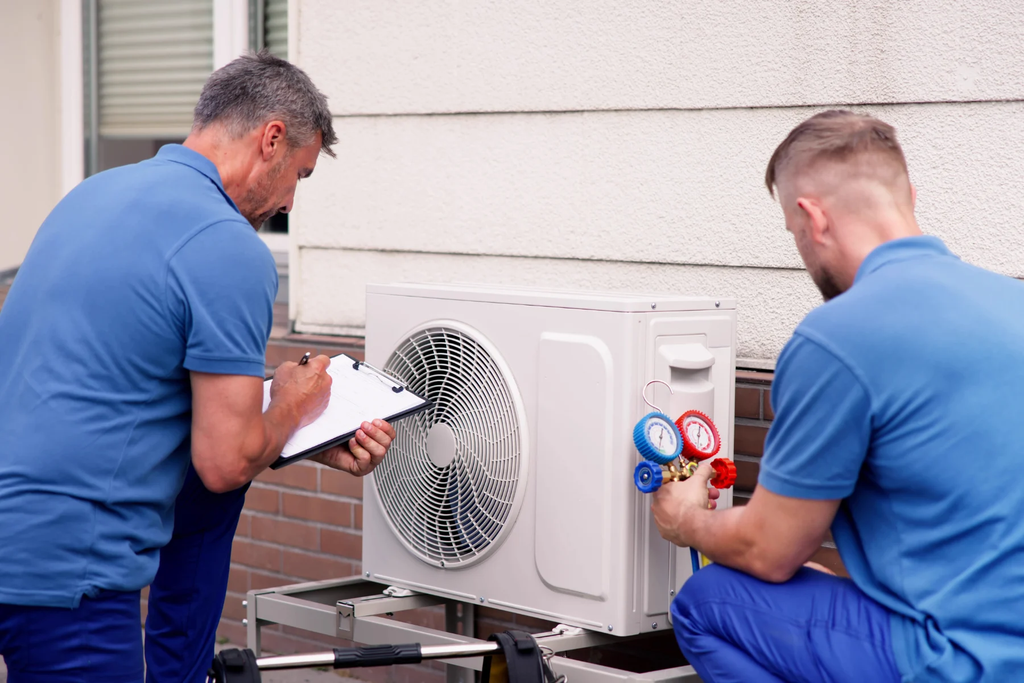
Heat Pump Water Heater Cons
1. Higher upfront cost
Heat pump water heaters often have a higher purchase price than conventional electric storage tanks. Installation can also cost more if the home needs electrical work, condensate drainage, airflow improvements, or modifications to accommodate a larger unit.
For a fair comparison, ask for quotes that include the appliance, labor, permits where required, removal of the old unit, electrical changes, and any additional plumbing work.
2. They need enough air space
Unlike a conventional electric tank, an integrated heat pump water heater extracts heat from the air around it. Many models require a substantial amount of surrounding air volume or a properly designed ducting or ventilation solution.
ENERGY STAR guidance notes that manufacturer requirements commonly fall around 450 to 700 cubic feet of free air space, although the exact requirement varies by model. A small, unventilated closet may not be suitable without modifications.
Always check the installation manual rather than assuming a unit will fit simply because the tank dimensions are compatible.
3. They can make the surrounding area cooler
Because the heat pump removes heat from the air, the room around the appliance can become cooler during operation. In a cold climate, installing the unit in a conditioned space may increase the heating load, depending on the home’s layout and heating system.
A basement, garage, or utility room may be a better choice if the space remains within the model’s approved operating temperature range. The installer should consider airflow, comfort, and the effects on the rest of the home.
4. Fan and compressor noise
Heat pump water heaters contain a fan and compressor, so they make some noise while operating. Depending on the model and installation, the sound can be similar to a quiet dishwasher or background conversation.
For that reason, a garage or basement is often preferable to a closet next to a bedroom. Compare the manufacturer’s sound rating if noise is a concern.
5. Hot water recovery may be slower in efficient modes
Heat pump-only operation can recover the tank more slowly than electric resistance heating in some circumstances. The system stores hot water in a tank, so selecting the right tank size is important, particularly for large households or homes with frequent back-to-back showers.
Check the model’s First Hour Rating and recommended tank size instead of relying on gallon capacity alone. A hybrid mode may help during periods of higher demand, but it can use more electricity.
6. Cold temperatures can reduce efficiency
Heat pump performance depends on the temperature of the surrounding air and the unit’s operating limits. In colder spaces, efficiency can decline, and some models may rely more on backup electric resistance heating to meet hot water demand.
That does not mean every cold-climate home should rule out a heat pump water heater. It means the model, installation location, and expected winter temperatures need to be evaluated together.
7. Condensate drainage and installation planning
Heat pump water heaters produce condensate that must be routed to an appropriate drain or condensate pump. If a suitable drain is not available, installation may require additional work.
Other considerations include the floor’s ability to support the full tank, access for service, plumbing connections, and electrical requirements. Plan these details before purchasing the appliance.

Heat Pump Water Heater Pros and Cons at a Glance
| Factor | Pros | Cons |
|---|---|---|
| Energy use | Much lower than standard electric resistance heating in suitable conditions | Savings vary with climate, operating mode, and electricity rates |
| Purchase price | Potential long-term operating savings | Higher upfront cost than many basic electric tanks |
| Installation | Can often be installed in a suitable existing water-heater area | Needs airflow, condensate drainage, and compatible electrical service |
| Noise | Usually manageable in a suitable utility space | Fan and compressor noise may be noticeable near living areas |
| Cold weather | Can work in many climates when properly selected and installed | Cold ambient air can reduce efficiency or increase backup heating use |
| Hot water supply | Storage tank provides a reserve of hot water | Tank size and recovery rate must match household demand |
How Much Does a Heat Pump Water Heater Cost in 2026?
The total cost depends on tank capacity, efficiency, brand, labor rates, and the condition of your existing installation. As a broad U.S. planning estimate, a heat pump water heater project may cost approximately $2,000 to $5,000 or more installed. Complex installations or electrical and plumbing upgrades can increase the total.
This range is an illustrative budgeting estimate, not a live quote or a guarantee of current local prices. Get itemized quotes from qualified installers in your area.
| Cost Factor | What to Consider |
|---|---|
| Equipment | Tank capacity, UEF, warranty, controls, and brand |
| Labor | Removal of the old unit, installation time, and local rates |
| Electrical work | Existing circuit capacity, wiring, and any required upgrades |
| Airflow and ducting | Room volume, louvered doors, or ducting where required |
| Condensate drainage | Existing drain access or the need for a condensate pump |
| Incentives | Current utility, state, or local programs and eligibility rules |
Are rebates or tax credits available in 2026?
Incentives vary by location, utility, product qualification, installation date, and current program rules. Do not assume that a federal tax credit or a previous rebate is still available in 2026. Verify eligibility with official government sources and your local utility before including an incentive in your budget.
You can start with the ENERGY STAR Rebate Finder to look for available programs. Confirm the current terms with the program administrator before purchasing.
How Much Money Can You Save with a Heat Pump Water Heater?
Your potential savings depend heavily on what you are replacing. Heat pump water heaters generally have their clearest operating-cost advantage over conventional electric resistance water heaters. Savings compared with natural gas depend on local fuel and electricity prices, equipment efficiency, and hot water usage.
ENERGY STAR publishes the following illustrative estimates for certified heat pump water heaters compared with standard electric water heaters:
| Household Size | Estimated Annual Savings | Estimated Payback Period |
|---|---|---|
| 2 people | About $270 | About 5.5 years |
| 3 people | About $410 | About 3.7 years |
| 4 people | About $550 | About 2.7 years |
These figures are based on ENERGY STAR’s stated assumptions, including a specific electricity price and incremental equipment cost. They are not guaranteed savings for an individual home and should not be applied directly to comparisons with gas tankless systems.
How to calculate your own payback period
Use this simple formula:
Payback Period = Extra Installed Cost ÷ Estimated Annual Savings
For example, suppose a heat pump water heater costs $1,500 more to install than the alternative you would otherwise buy, and your estimated savings are $400 per year.
$1,500 ÷ $400 = 3.75 years
In this hypothetical example, the extra upfront cost would be recovered in approximately 3.75 years, assuming the estimated annual savings remain consistent. Actual results may change with energy prices, maintenance, operating mode, and usage.
For a more detailed breakdown of water-heating expenses, read How Much Does It Cost to Run a Water Heater Per Month?.
Heat Pump Water Heater Installation Requirements
Before buying a heat pump water heater, confirm that your home can support the unit and its operating needs.
1. Sufficient air volume or approved ducting
The unit needs access to enough air to operate efficiently. Follow the exact manufacturer’s requirements for room volume, clearance, and any approved ducting or ventilation options.
2. Suitable ambient temperatures
Check the manufacturer’s operating temperature range for the space where the unit will be installed. Garages and basements can work well, but temperature extremes may affect performance or exceed the model’s limits.
3. Electrical compatibility
Have a qualified installer verify the voltage, circuit, breaker, and electrical panel capacity required for the selected model. Requirements vary by product and local code.
4. Condensate disposal
Provide a compliant route for condensate water. Depending on the layout, the installer may use an existing drain or a condensate pump.
5. Tank capacity and first-hour delivery
Select a tank size that can meet the household’s peak hot water demand. Check the First Hour Rating and manufacturer sizing guidance, particularly if your household regularly takes multiple showers in succession.
6. Noise and service access
Leave the required clearance for maintenance and avoid locations where compressor or fan noise could disturb bedrooms or other quiet areas.
For official planning guidance, read the ENERGY STAR heat pump water heater design considerations.
Do Heat Pump Water Heaters Work in Cold Climates?
Yes, many heat pump water heaters can be used in cold-climate homes, but the installation environment matters. An integrated unit takes heat from the air around it, and colder air can reduce efficiency. Depending on the model and conditions, backup resistance elements may operate more often during colder periods.
A protected basement or garage that stays within the manufacturer’s approved temperature range may be a suitable location. However, an unheated space that approaches freezing requires particular care. Follow the manufacturer’s instructions for temperature limits, freeze protection, condensate drainage, and plumbing.
If the water heater must be installed in a small indoor closet, an approved ventilation or ducting solution may be needed. The unit should not be placed outdoors in conditions that violate its installation instructions.
For a deeper look at location and climate, read our related guide: Can a Heat Pump Water Heater Work in a Garage or Cold Climate?.
Heat Pump Water Heater vs. Tankless: Which Is Better?
Heat pump and tankless water heaters work differently. A heat pump water heater stores hot water in a tank and uses heat from surrounding air to heat it efficiently. A tankless unit heats water on demand, so it needs sufficient instantaneous heating capacity to meet simultaneous flow.
| Feature | Heat Pump Water Heater | Tankless Water Heater |
|---|---|---|
| Hot water delivery | Stored hot water with recovery over time | Continuous heating within the unit’s capacity limits |
| Energy use | Very efficient compared with electric resistance tanks | Depends on fuel, model, and usage; avoids storage standby losses |
| Installation needs | Airflow, condensate drainage, electrical service, and tank space | Gas piping and venting for many gas models; substantial electrical capacity for some electric models |
| Peak demand | Tank size and recovery rate are important | Must supply the required GPM at the actual temperature rise |
| Best fit | Homeowners prioritizing efficient water heating and suitable space | Homes that prefer on-demand heating and can support the installation requirements |
Neither technology is automatically best for every household. Compare the full installed cost, expected energy bills, hot water demand, and installation constraints before deciding.
Read our related guides:
- Heat Pump Water Heater vs. Tankless: Which Saves More Money?
- Is a Tankless Water Heater Worth It? Payback Time Explained
- What Size Tankless Water Heater Do You Need? GPM and Temperature Rise Explained
- Tank vs. Tankless Water Heater: Which One Should You Buy?
Is a Heat Pump Water Heater Worth It for Your Home?
A heat pump water heater may be a good choice if:
- You currently use a conventional electric resistance water heater.
- You want to reduce long-term water-heating energy costs.
- You have a suitable basement, garage, or utility room.
- You can provide sufficient airflow, electrical service, and condensate drainage.
- You plan to stay in the home long enough to benefit from potential energy savings.
It may not be the best choice if:
- Your budget cannot accommodate the higher upfront cost.
- You have no suitable installation space and ventilation modifications are impractical.
- The only available location is too cold or falls outside the model’s approved operating range.
- You need a simple, low-cost replacement and the long-term savings do not justify the price difference.
- You are replacing a gas water heater and local electricity prices make the operating-cost comparison less favorable.
Frequently Asked Questions
Are heat pump water heaters worth it in 2026?
They can be worth it, especially when replacing a standard electric resistance water heater. The best decision depends on the installed price, electricity rates, household hot water demand, installation location, and available incentives.
How much can a heat pump water heater save per year?
ENERGY STAR estimates approximately $550 per year for a household of four compared with a standard electric water heater under its published assumptions. Your actual savings may be higher or lower, and savings compared with natural gas depend on local energy prices.
What is the downside of a heat pump water heater?
The main disadvantages are a higher initial cost, the need for sufficient air volume or approved ducting, fan and compressor noise, condensate drainage, and potentially lower efficiency in cold spaces.
Can I install a heat pump water heater in my garage?
Often, yes, if the garage stays within the manufacturer’s approved operating temperature range and provides suitable airflow, drainage, electrical service, and freeze protection. Check the installation manual before selecting the location.
Do heat pump water heaters work in winter?
Many models can operate during winter, but colder ambient air can reduce efficiency and may increase use of backup electric resistance heating. Choose a model and location suited to the lowest expected temperature.
Are heat pump water heaters noisy?
They produce some fan and compressor noise while heating water. Noise levels vary by model and location, so compare sound ratings and avoid installing the unit next to bedrooms where possible.
Do heat pump water heaters need special maintenance?
They need routine maintenance according to the manufacturer’s instructions. This may include checking the air filter or intake, cleaning accessible components, inspecting the condensate drain, and following the maintenance guidance for the tank and anode system.
Are heat pump water heaters better than gas water heaters?
Not in every situation. Heat pump water heaters can be very efficient, but the operating-cost advantage over gas depends on local electricity and fuel prices. Installation cost, climate, available space, and household demand also affect the decision.
Final Verdict: Should You Buy a Heat Pump Water Heater in 2026?
A heat pump water heater is one of the strongest options to consider if your priority is reducing energy use while keeping a conventional storage tank. Its main advantage is efficiency: under suitable conditions, it can use much less electricity than a standard electric resistance water heater.
The trade-offs are a higher upfront cost, specific airflow and drainage requirements, some operating noise, and performance that depends on the temperature of the surrounding air. These factors matter just as much as the unit’s efficiency rating.
Before you buy, compare installed quotes, check the manufacturer’s location requirements, estimate your actual energy savings, and verify current local incentives. If you are choosing between a heat pump and tankless system, compare both technologies against your home’s hot water needs rather than choosing by headline efficiency claims alone.
For more help choosing a system, explore our related guides:
- Best Heat Pump (Hybrid) Water Heaters of 2026
- Heat Pump Water Heater vs. Tankless: Which Saves More Money?
- How Much Does It Cost to Run a Water Heater Per Month?
- How Long Do Water Heaters Last? Signs It’s Time to Replace
Sources and Further Reading
- ENERGY STAR: Heat Pump Water Heater Benefits and Savings
- ENERGY STAR: Heat Pump Water Heaters Buying Guidance
- ENERGY STAR: Heat Pump Water Heater Design Considerations
- U.S. Department of Energy: Heat Pump Water Heaters
Disclaimer: This article is for educational purposes only and does not constitute professional plumbing, electrical, tax, or financial advice. Costs, energy savings, incentives, and product availability vary by location and date. Confirm current incentive rules with official program administrators and have a qualified professional verify installation requirements for your home.